The Camera Replaced the Counter
Andertons Music Co. has operated from Guildford, England since 1964, long enough to have sold instruments through every format the trade has used: printed catalogues, telephone orders, a transactional website, and the shop floor itself. What it built from around 2015 onward was something none of those formats could do — a YouTube channel in which the demo, the editorial voice, and the sales path occupy the same video.
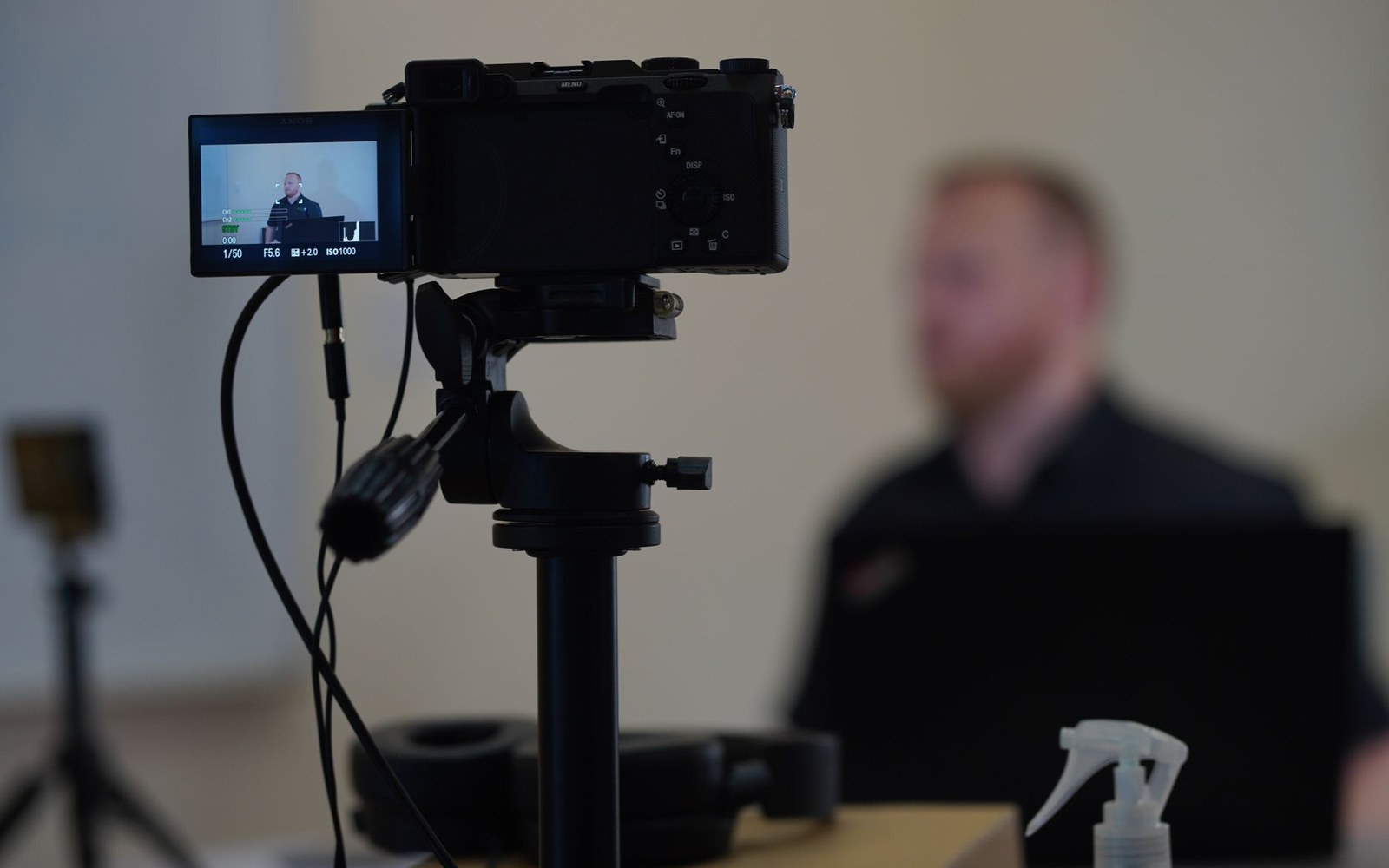
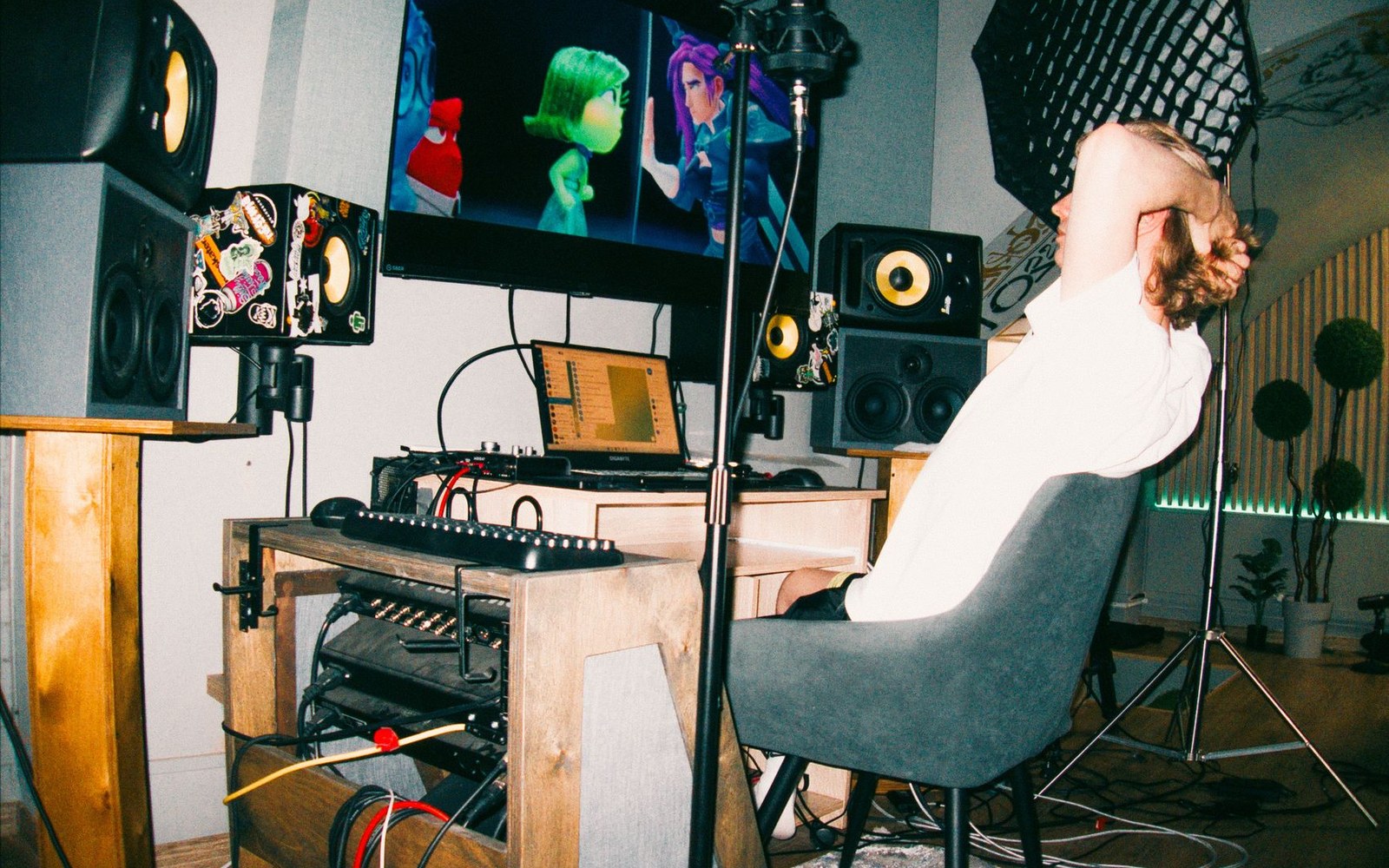
The mechanism is straightforward. The Captain Meets series pairs a store presenter against a named artist or clinician, working through a specific instrument in real time. No scripted specification rundown; the gear is played, the camera watches the player's face, and the conversation covers exactly what a floor demo would cover if the customer were standing next to someone who already knew the instrument. YouTube's own data shows that watch-time on this kind of long-form product content has consistently outperformed short-form advertising cuts across the music category — the audience is qualifying itself before it arrives at the product page.
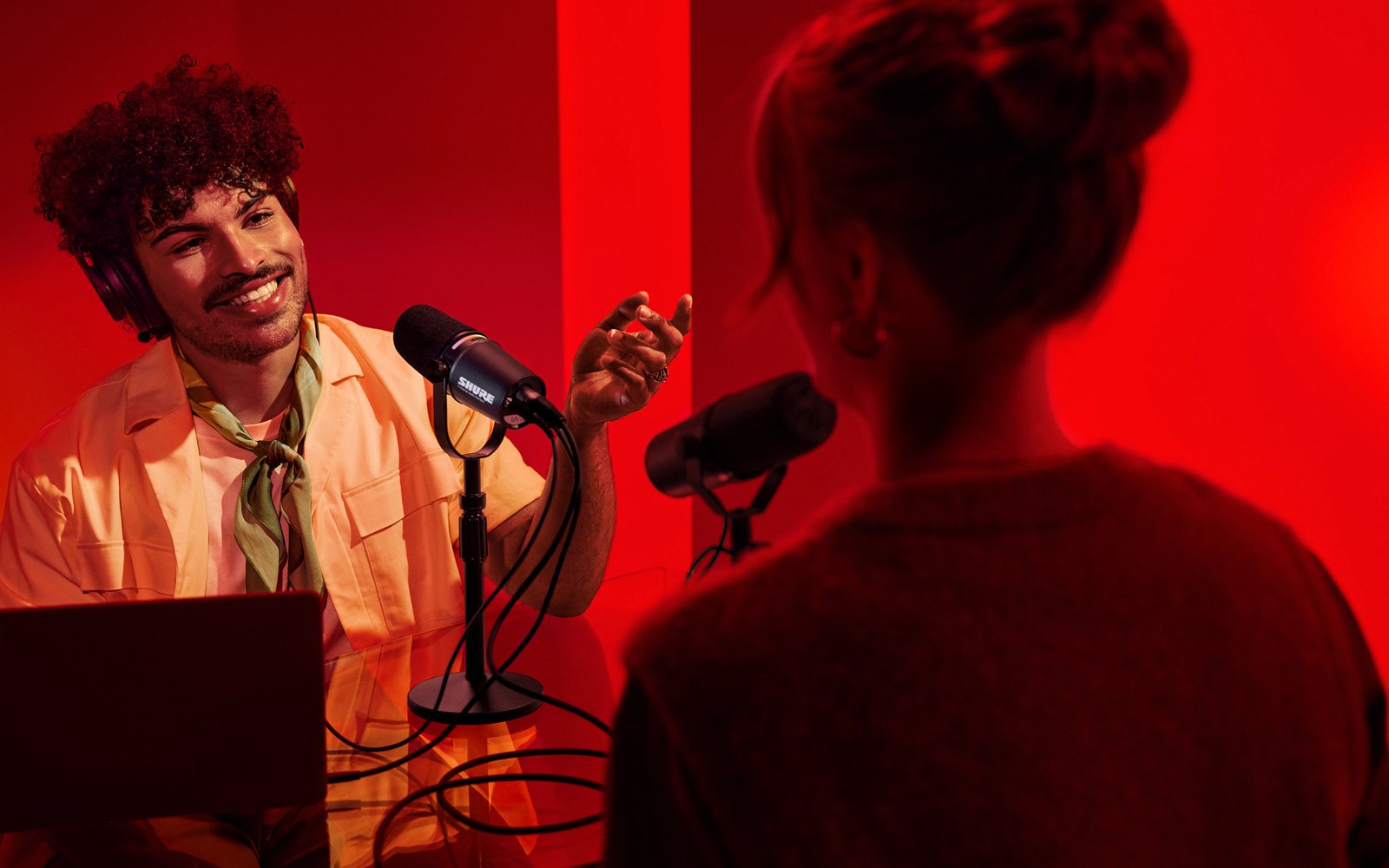
The Andertons main channel crossed one million subscribers, a figure that repositions the operation from retailer-with-content to publisher-with-a-shop. That distinction matters commercially: the channel functions as earned media that no printed catalogue could replicate and that a display advertising budget would struggle to buy at equivalent depth. The traditional catalogue — historically the primary tool for introducing product to a customer base between NAMM cycles — cannot run forty minutes of A/B amp comparison. The channel can, and does.
What the model did to the in-store demo is more ambiguous. Footfall at specialist music retailers has been under pressure across the UK market for years, a trend documented in broader ONS retail trade data. Andertons did not resolve that structural problem; it routed around it. A customer who has watched forty minutes of Captain Meets content arrives at the checkout knowing the instrument. The demo already happened, on their phone, three days earlier.
The implication for the wider trade is uncomfortable: the most effective product demonstration a retailer has ever produced is free to watch, and competitors' customers are watching it too.