The Debt Was the Problem, Not the Stores
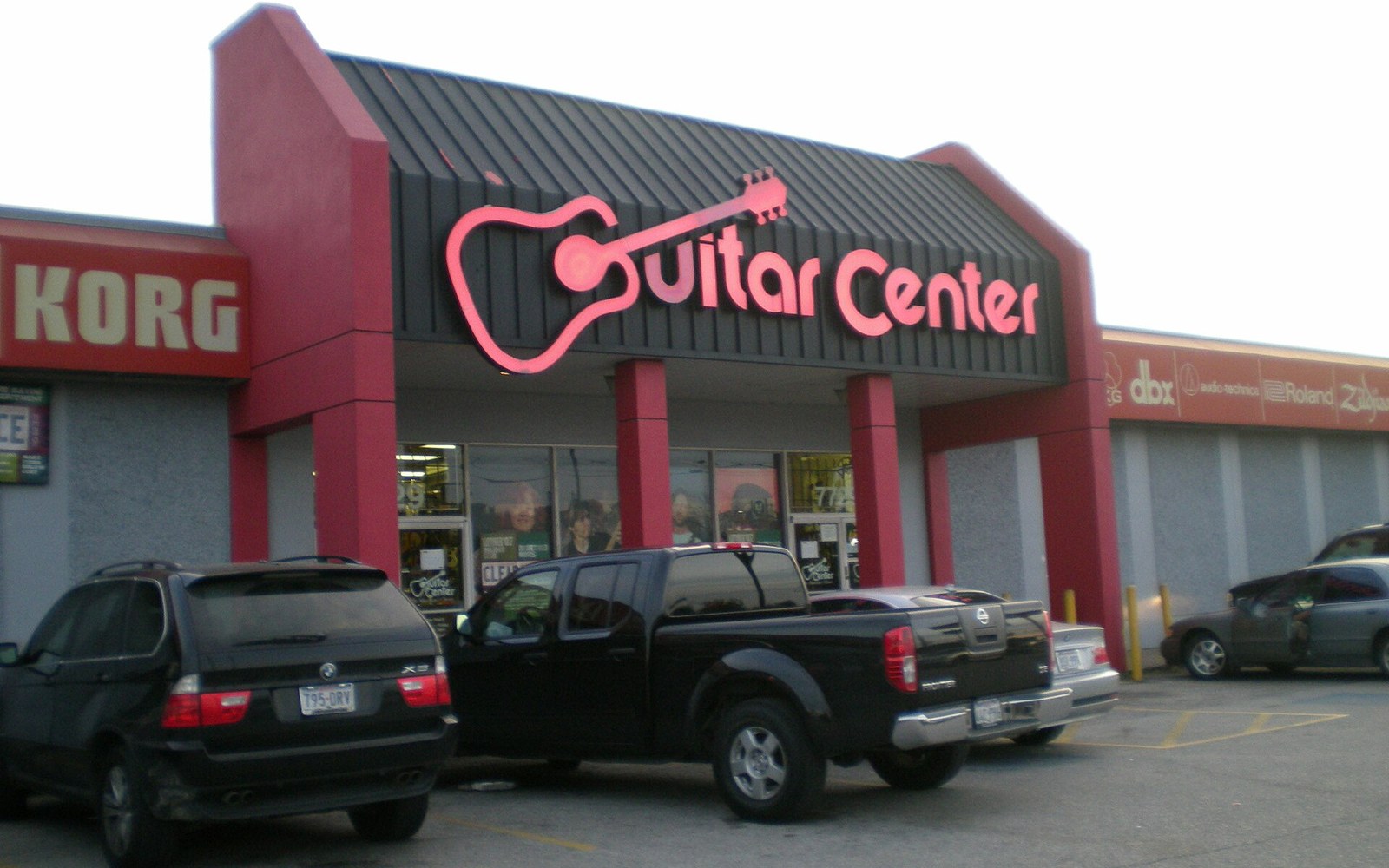
Guitar Center filed for Chapter 11 bankruptcy protection on 21 November 2020, during the most unusual retail environment in living memory. Pandemic lockdowns had shuttered its stores for months earlier that year, live music had effectively stopped, and the consumer electronics sector was being reshaped in real time. The optics were brutal. But the filing's own documents told a more specific story: this was a leveraged-buyout hangover, not a demand collapse.
The chain's debt traced back to Bain Capital's 2007 acquisition, which left the company carrying roughly $1.6 billion in obligations at a moment when the broader retail sector was already deteriorating. Ares Management, which had become a significant creditor over the intervening years, was the key institutional actor in the restructuring. The pre-packaged nature of the Chapter 11 plan — a format in which the debtor negotiates terms with major creditors before the filing rather than during it — meant that Guitar Center's Chapter 11 moved through the courts with unusual speed. The company emerged from bankruptcy on 23 December 2020, just over a month after filing.

That timetable matters. Chapter 11, as defined under the US Bankruptcy Code, allows a company to restructure its debts while continuing to operate; suppliers keep shipping, employees keep working, and stores stay open. Guitar Center used the process exactly as designed. The roughly $800 million in debt reduction it achieved — through a debt-for-equity conversion in which Ares and other creditors took ownership stakes in exchange for cancelling the obligation — left the emerged entity with a balance sheet it could actually service. Store count, at the point of emergence, remained in the mid-to-upper 200s across the United States. No mass closure programme accompanied the restructuring.
What the Vendor Relationships Actually Showed
The resilience of Guitar Center's supplier network during and after the filing deserves closer examination than it typically receives. Major brands — Fender, Gibson, Shure, Roland, and the full roster of mainstream instrument and audio manufacturers — continued normal trade terms throughout. This was not sentiment; it was market arithmetic. Guitar Center represented a volume of floor space and consumer traffic that no single supplier could easily route around. Losing shelf position in that many US locations simultaneously, during a period when independent retail was already contracting, was a worse outcome for most vendors than carrying a temporarily awkward receivable.
For smaller brands and boutique operations, the calculation was different. A large retail account filing for bankruptcy protection triggers immediate concern about outstanding invoices, and several smaller manufacturers publicly acknowledged they had tightened credit terms with the chain in preceding years. The episode reinforced a split that had been widening for some time: brands with the volume to absorb the relationship absorbed it; brands without that cushion had already been diversifying toward direct-to-consumer channels, Reverb, Sweetwater, and Thomann's cross-Atlantic reach.
- 2007Bain Capital acquires Guitar Center; the debt load that would eventually trigger restructuring is established
- 2020Pandemic lockdowns shutter Guitar Center locations for an extended period earlier in the year
- 21 November 2020Guitar Center files for Chapter 11 bankruptcy protection
- 23 December 2020Guitar Center emerges from Chapter 11; Ares Management becomes controlling shareholder
- OngoingMusician's Friend and Music & Arts subsidiaries continue operating under the reorganised umbrella
Sweetwater, headquartered in Fort Wayne, Indiana, emerged from the pandemic period having grown its position significantly — the Guitar Center filing, paradoxically, drew renewed attention to how much of the US instrument market ran through a single bricks-and-mortar chain. That concentration risk did not disappear with the restructuring; it simply became more visible. The comparison between Sweetwater and Thomann as dominant volume channels clarifies how the competitive map shifted during exactly this period.
What the Estate Looked Like on the Way Out
Ares Management, a Los Angeles-based alternative investment firm with a background in distressed debt, became the controlling shareholder of the post-bankruptcy entity. The company that emerged in late December 2020 carried reduced debt, the same physical footprint it had entered with, and a management structure that was largely continuous — a deliberate choice, since operational disruption on top of financial restructuring rarely serves the reorganised entity's interests.
The Guitar Center that existed before the filing was already a holding company layered over several trading names. Musician's Friend, the direct-to-consumer catalogue and e-commerce operation, remained part of the estate. Music & Arts, which operates in the school instrument rental and repair segment, likewise continued under the umbrella. These subsidiaries matter because they represent demand channels that the Guitar Center store network alone does not capture: institutional clients, school districts, rental contracts. They survived the restructuring intact, which is part of why the commercial footprint that emerged was larger in revenue terms than a store-count alone suggests.

The broader retail context is also necessary here. Guitar Center's filing arrived in the same calendar year that Fender posted record sales figures, Taylor Guitars reported waiting lists on some models, and consumer demand for home recording equipment drove Focusrite's Scarlett series to its strongest volumes since launch. The instrument market, in other words, was not in retreat. The customer was there. The problem was always on the liability side of Guitar Center's own ledger, not in the demand environment it operated within.
NAMM, which convenes annually in Anaheim, California, and functions as the instrument trade's principal gathering and indicator of manufacturer sentiment, reflected this distinction. Exhibitor conversations in the years following the filing centred on the contraction of the show floor itself and on how brands were reaching customers in a consolidating retail environment — not on any perception that the category was exhausted. Guitar Center's restructuring was a chapter in a credit story, not a consumer story.
The Complicated Headline
The narrative that Guitar Center's Chapter 11 represented the beginning of the end for physical instrument retail has not been borne out. The chain continued to operate its repair and service departments — a segment with structural stickiness, since luthiers and bench technicians serve a local need that e-commerce cannot easily replicate. Floor staff in the larger metropolitan locations carried accumulated product knowledge that survives any ownership change. These are slow-to-rebuild assets, and their continuity after the restructuring was not incidental.
What the filing did expose, durably, was the danger of applying leveraged-buyout capital structures to a retail operation with naturally lumpy revenue and a significant used-goods component. Gibson's 2018 Chapter 11 filing ran in parallel in the public imagination, and the two were often conflated as symptoms of the same instrument-industry malaise. They were not. Gibson's problems were partly operational and partly reputational, traceable to specific strategic decisions under Henry Juszkiewicz. Guitar Center's problems were almost entirely financial engineering from 2007 that the business could not grow its way out of before interest obligations compounded.
The post-bankruptcy entity has not resolved every question about Guitar Center's long-term position. E-commerce share in instrument retail continues to grow. The used market, channelled through platforms like Reverb, cuts into new-instrument margins. Lease costs on large-format retail space remain a structural pressure. But the company that came out of December 2020 is solvent, carries a real store network, and holds vendor relationships that were tested and held. The filing was a correction of a capital structure mistake made thirteen years earlier. What survived it was most of what was actually there.