
What Sells Now
The Modeller Replaced the Stack — Here Is When
Amp modellers didn't win a debate. They won the tour bus.
Instruments and studio equipment as a working trade — the filings, the products, the timber and the bench.
The products that reshaped the floor — modellers, interfaces, microphones, controllers, and the used-market bubble.
eight pieces · every section
Amp modellers didn't win a debate. They won the tour bus.
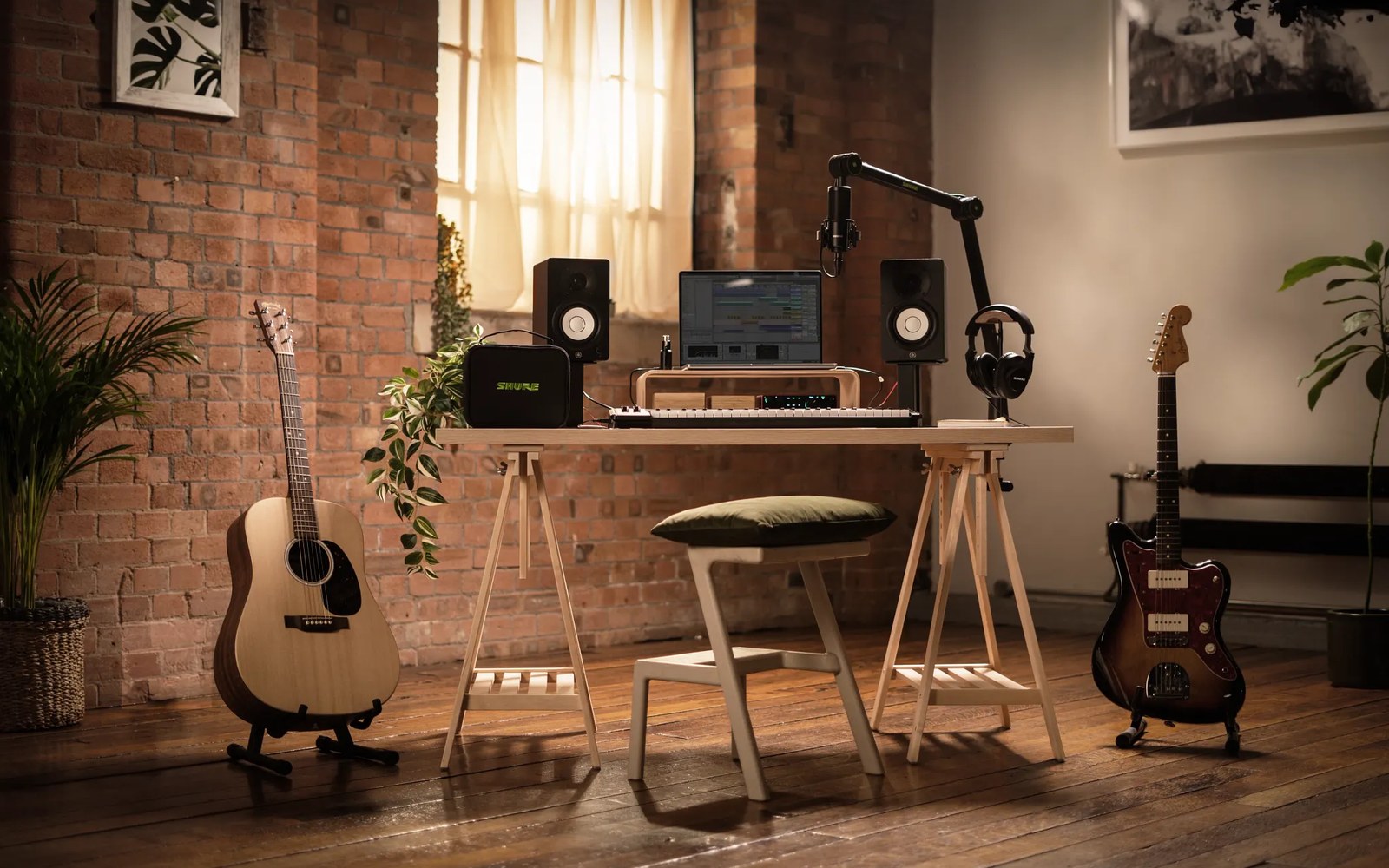
A studio workhorse spent decades in radio booths and on "Thriller." Then a photograph of Joe Rogan's desk changed its sales trajectory permanently.
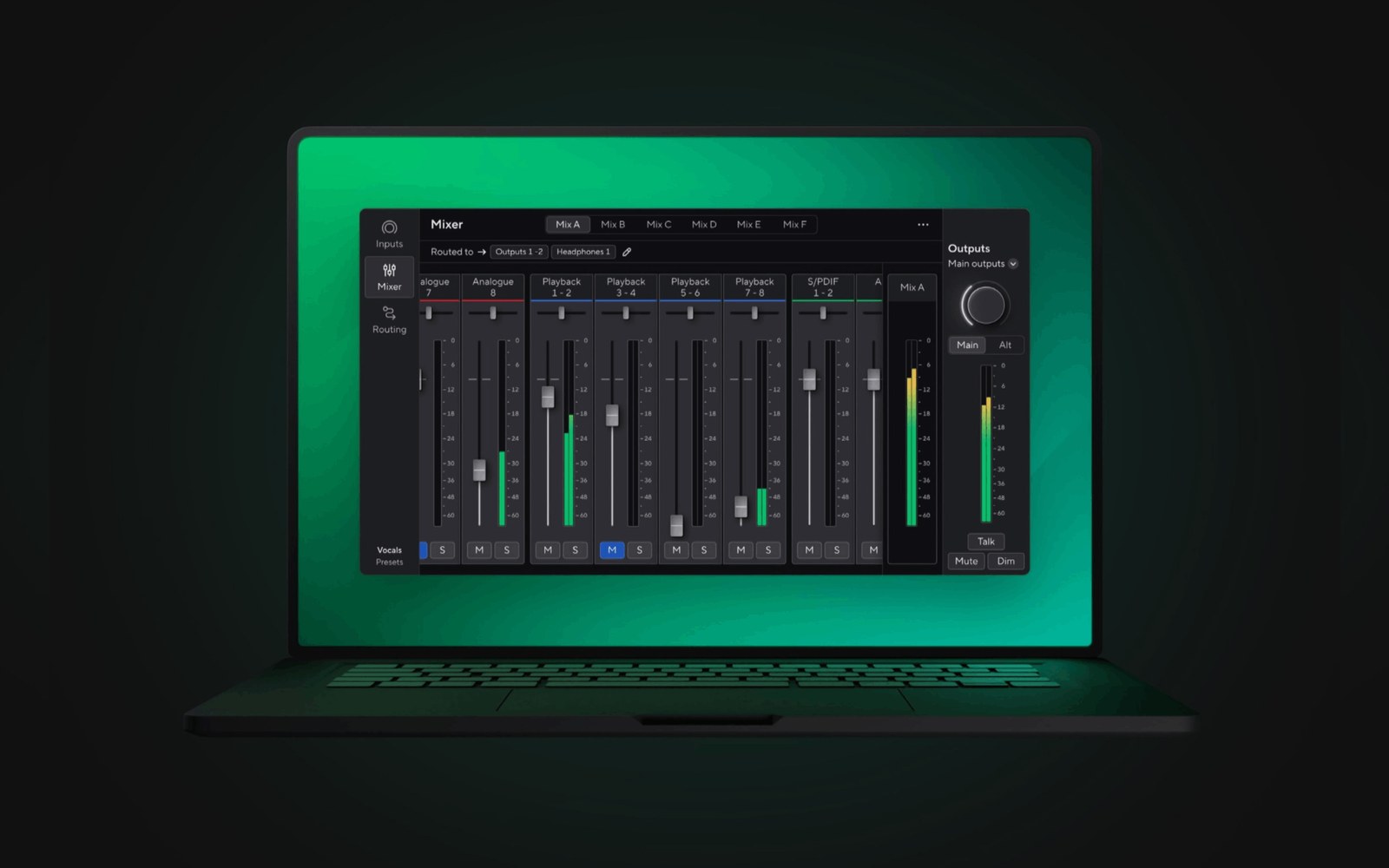
The Focusrite Scarlett 2i2 did not win the entry-level interface market by accident — it won it by being consistently correct at every revision.
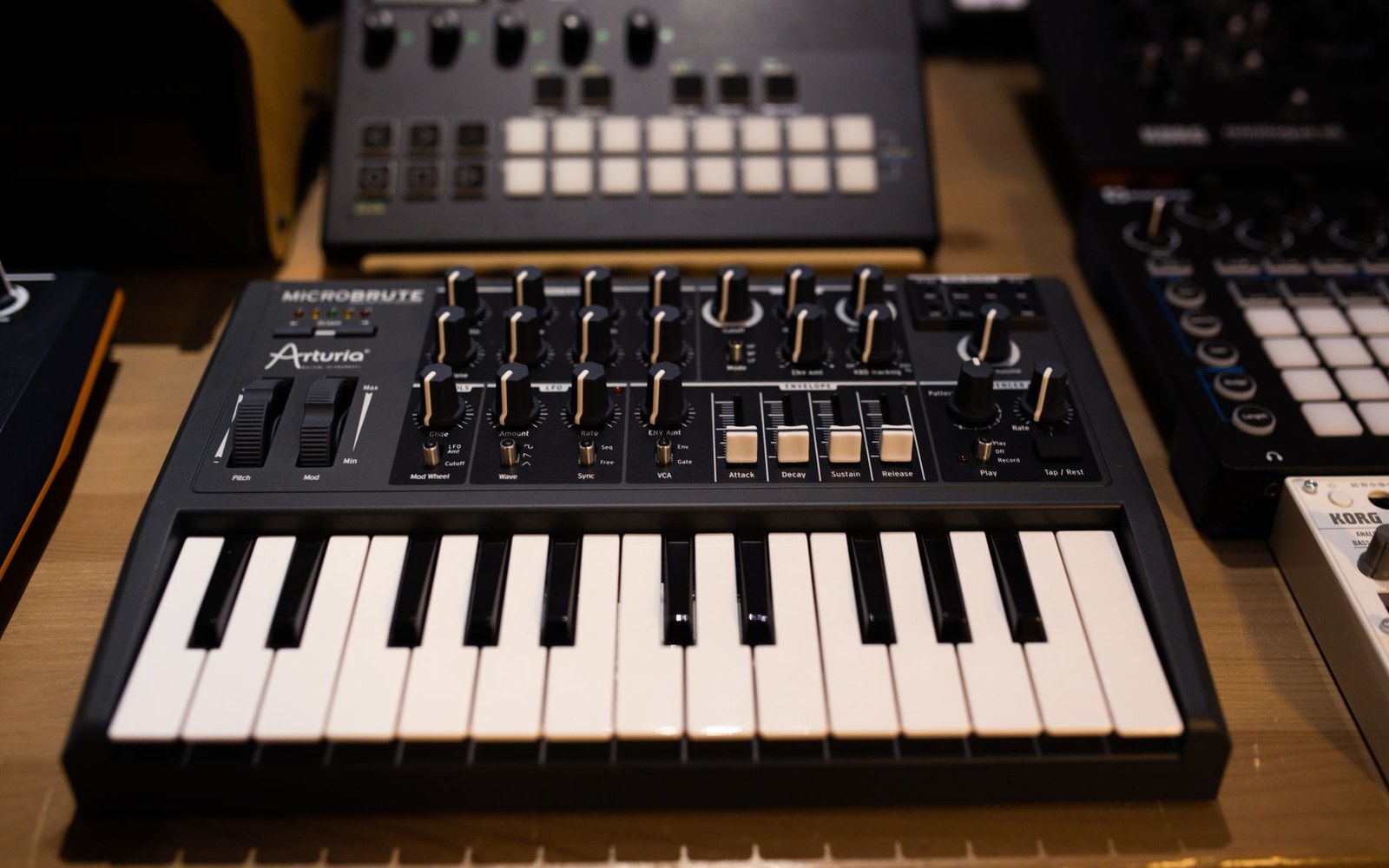
Traces the Eurorack format's expansion from its Doepfer A-100 origins (1995) to a module ecosystem spanning thousands of manufacturers, using ModularGrid registration data and Schneiders Büro sales commentary.
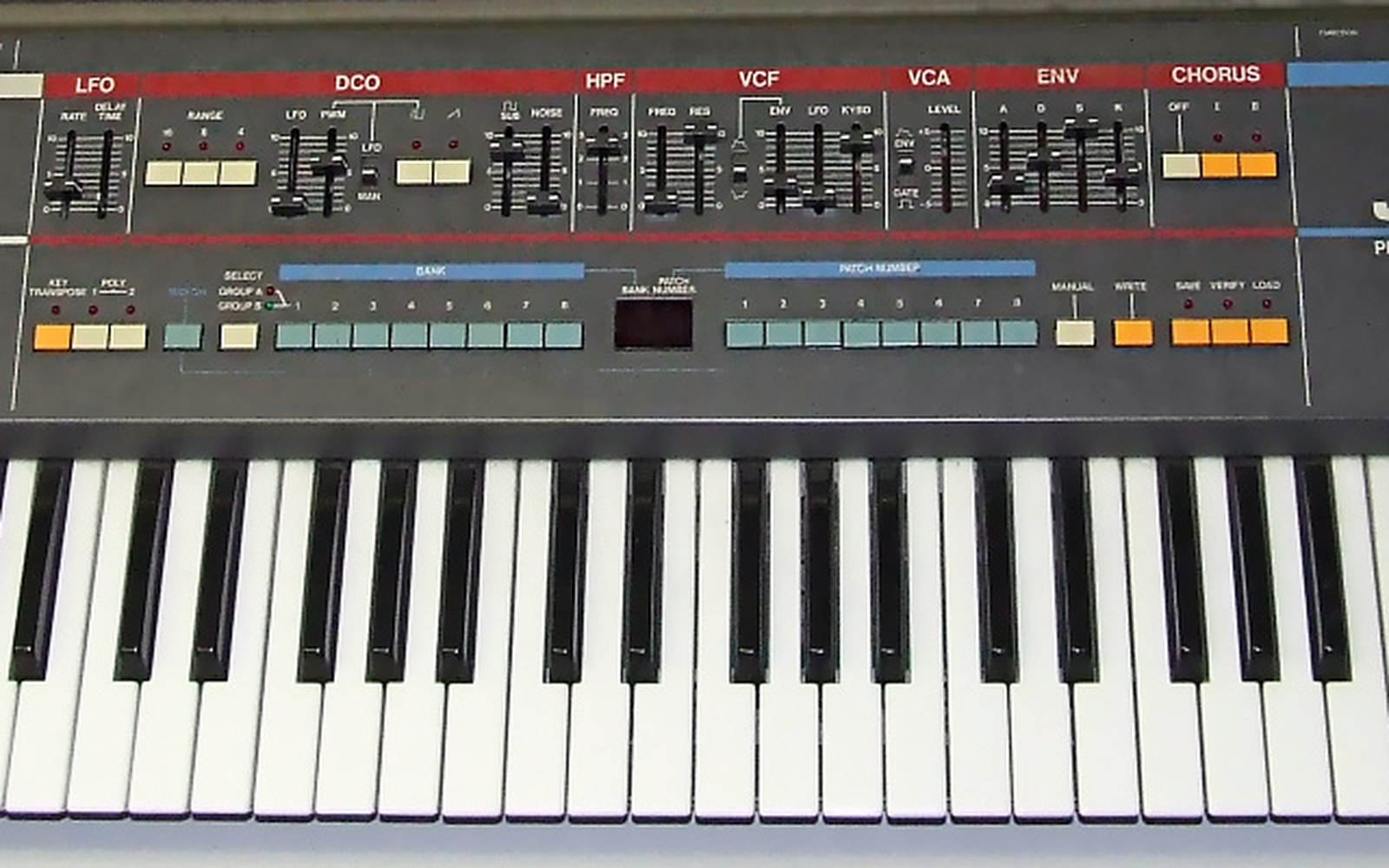
Reverb's sold-listings data tells a clean story: pandemic-era demand inflated vintage synth prices into territory that reissues and clones have since largely corrected.
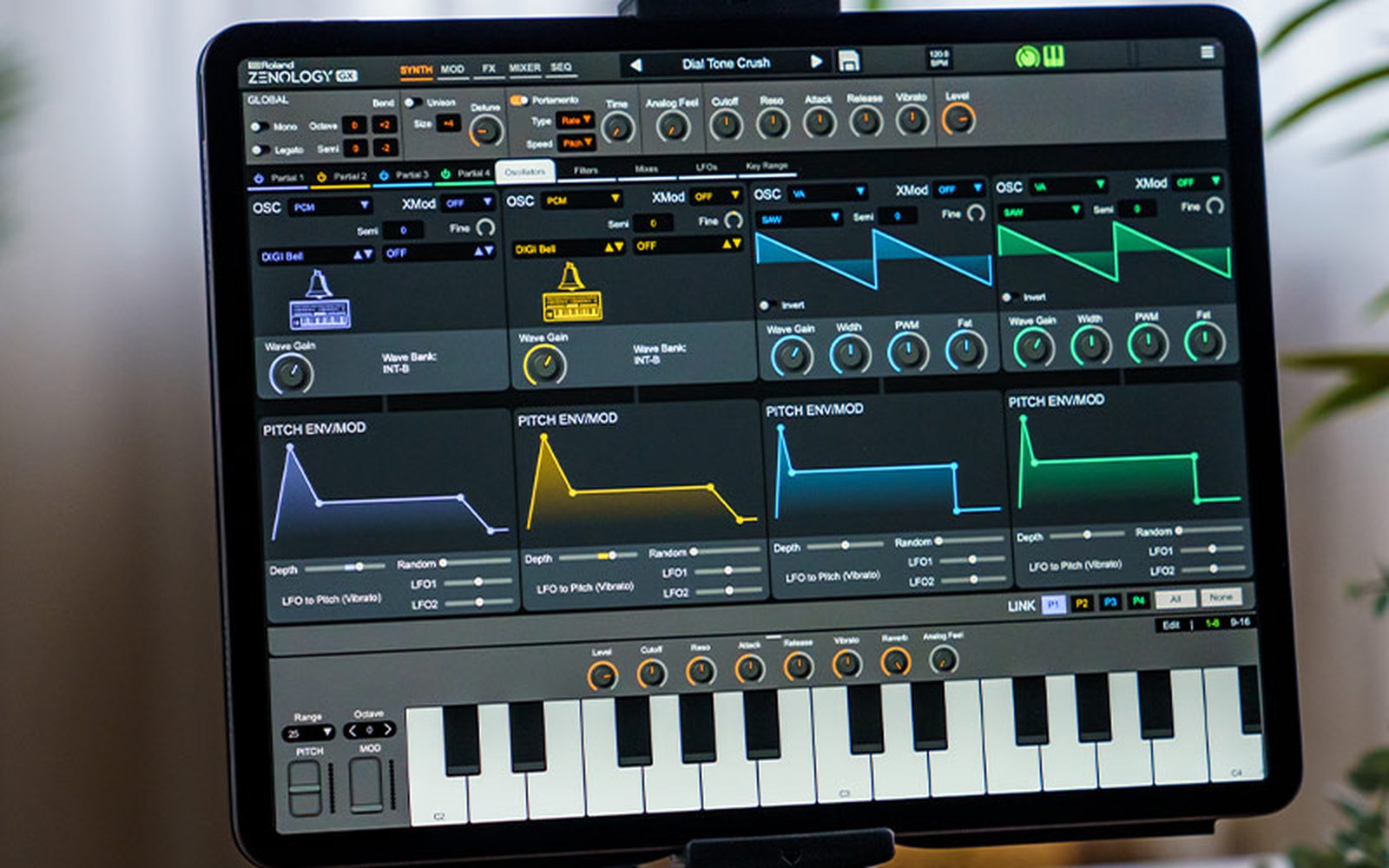
Access, not ownership — and the Roland Cloud model makes that distinction structural.
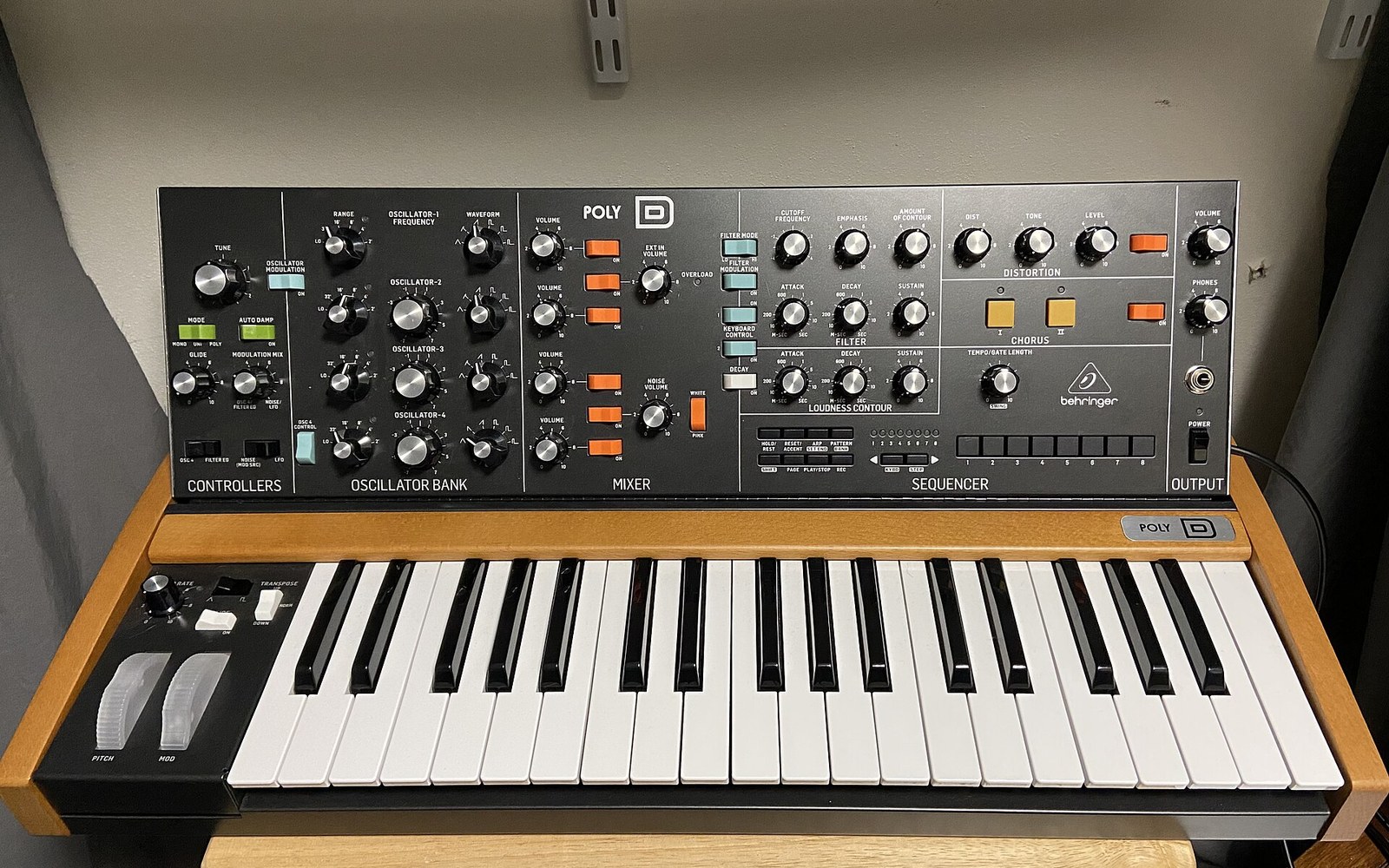
Uli Behringer's Music Tribe has built a catalogue of hardware replicas that are, by and large, legal — and that fact alone does not end the conversation.

The analogue multicore is not dead, but the touring engineer who ordered one without thinking is now the exception.
What happened to the market — the filings, the acquisitions, the channels that replaced the shop floor.
Section 3CITES listings, timber shortages, the Lacey Act, and what the industry started building from instead.
Section 4What a technician does — fret work, valve biasing, capstan wear, humidity, the right-to-repair argument.
Section 5The instruments and tools that arrived, settled, and never really left — their origins, their run, their record.