
Working Order
What Fret Dressing Actually Involves
Fret dressing is diagnostic work before it is mechanical work — the tools tell a technician what the neck is doing, not what to do next.
Instruments and studio equipment as a working trade — the filings, the products, the timber and the bench.
What a technician does — fret work, valve biasing, capstan wear, humidity, the right-to-repair argument.
six pieces · every section
Fret dressing is diagnostic work before it is mechanical work — the tools tell a technician what the neck is doing, not what to do next.
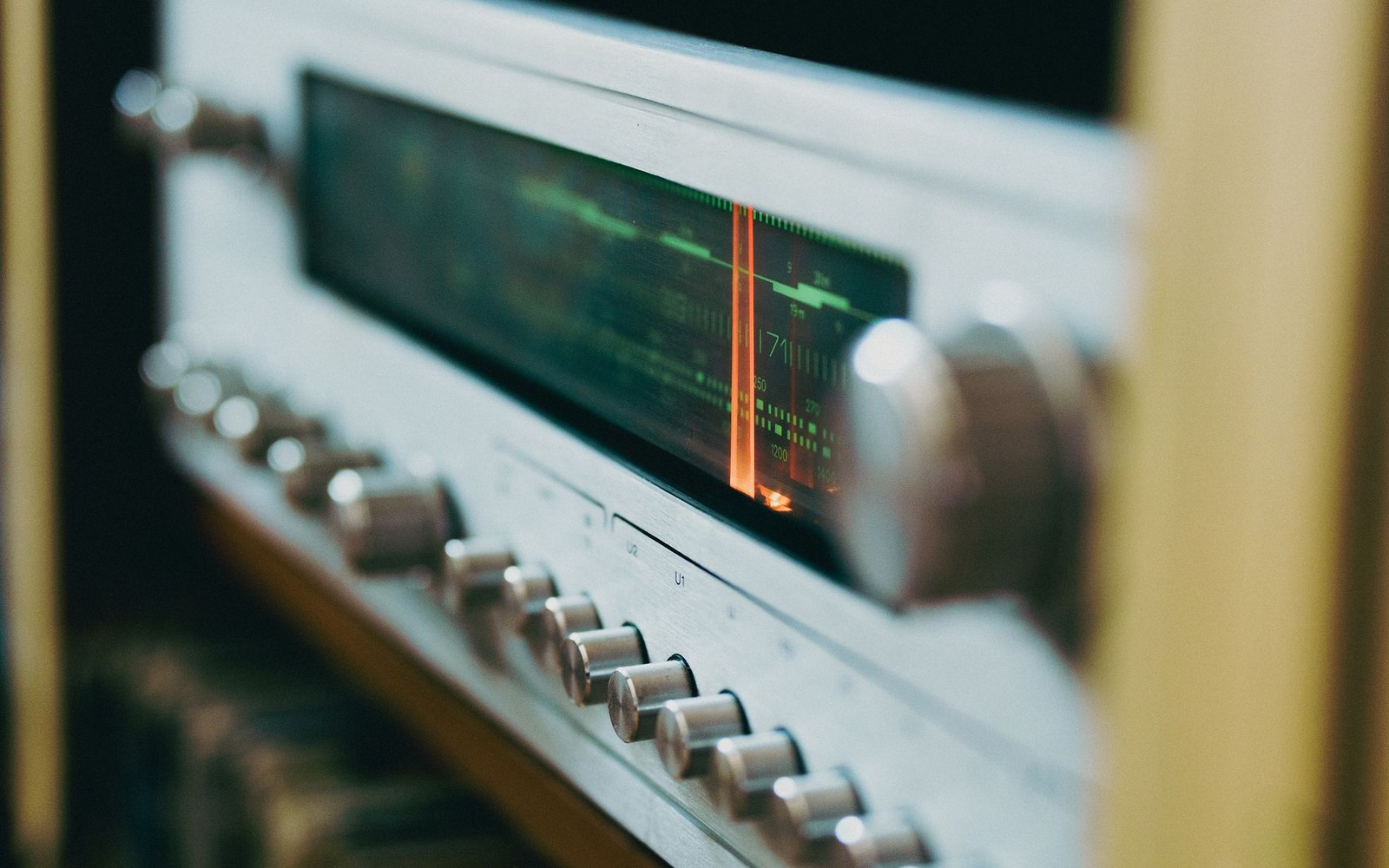
The quiescent current in an output valve is a moving target — and getting it wrong degrades tone before it damages anything.
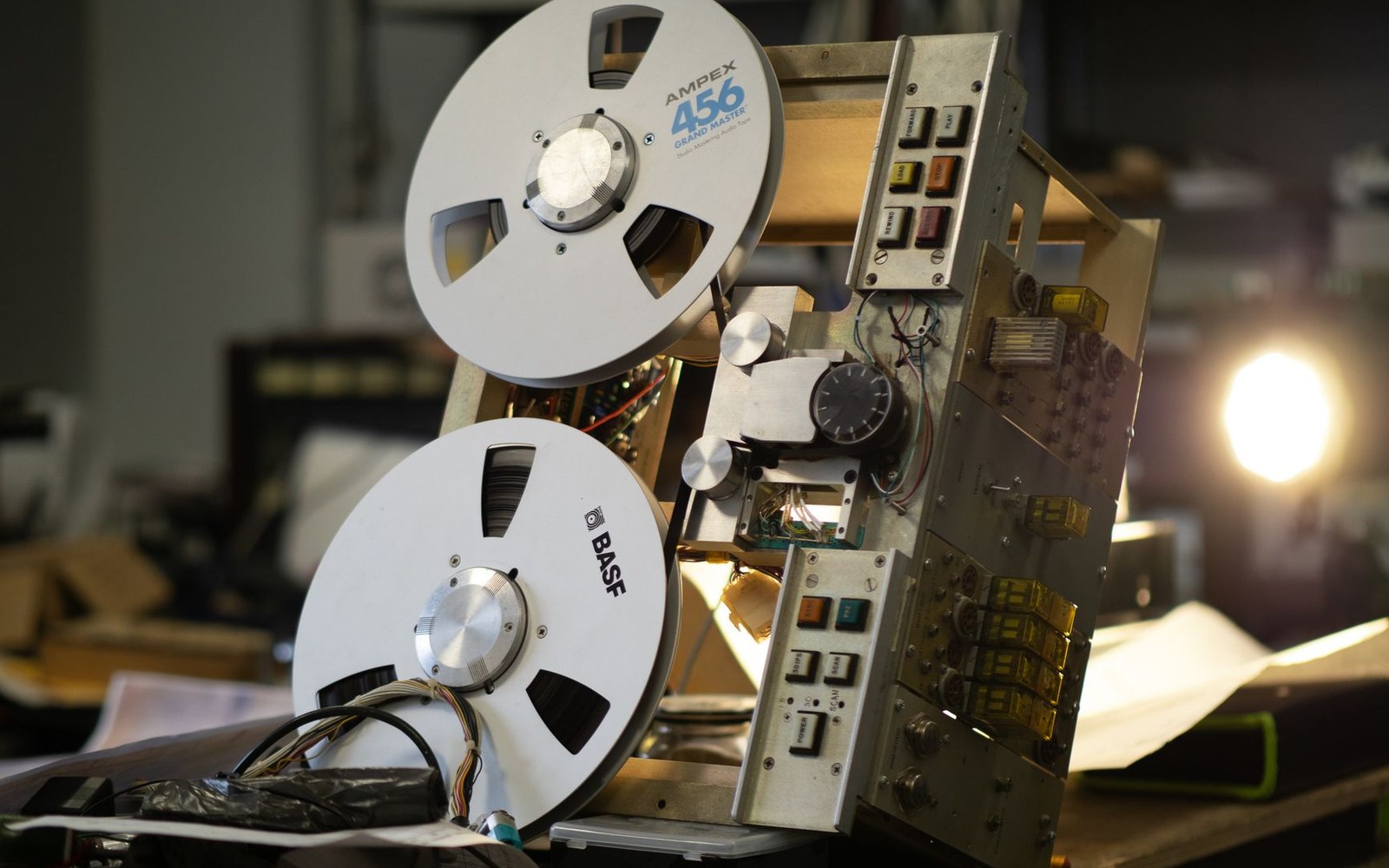
Whether the drive train is serviceable decides the restoration quote before anything else does.
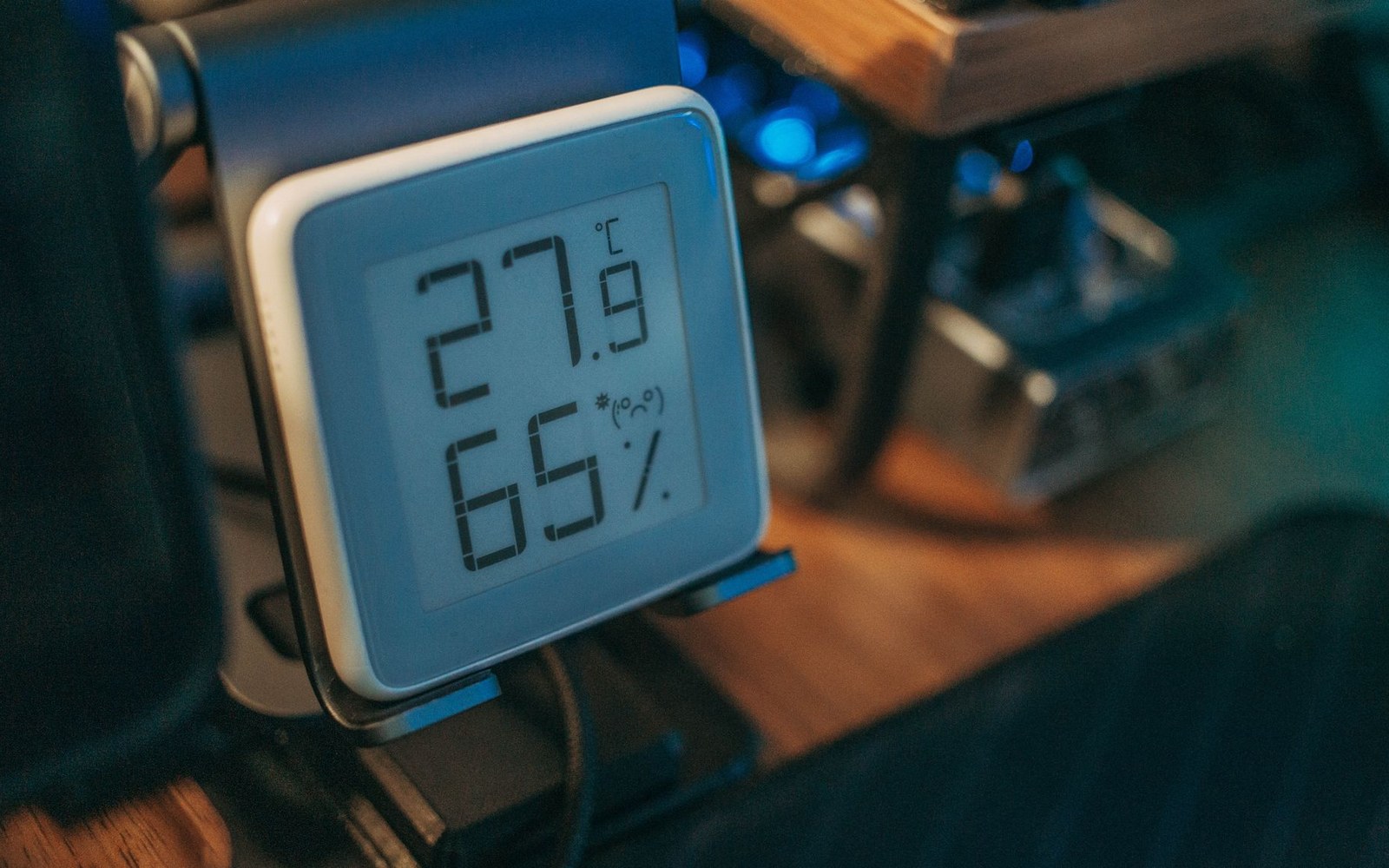
Solid tops move. The only variable is whether that movement is controlled.
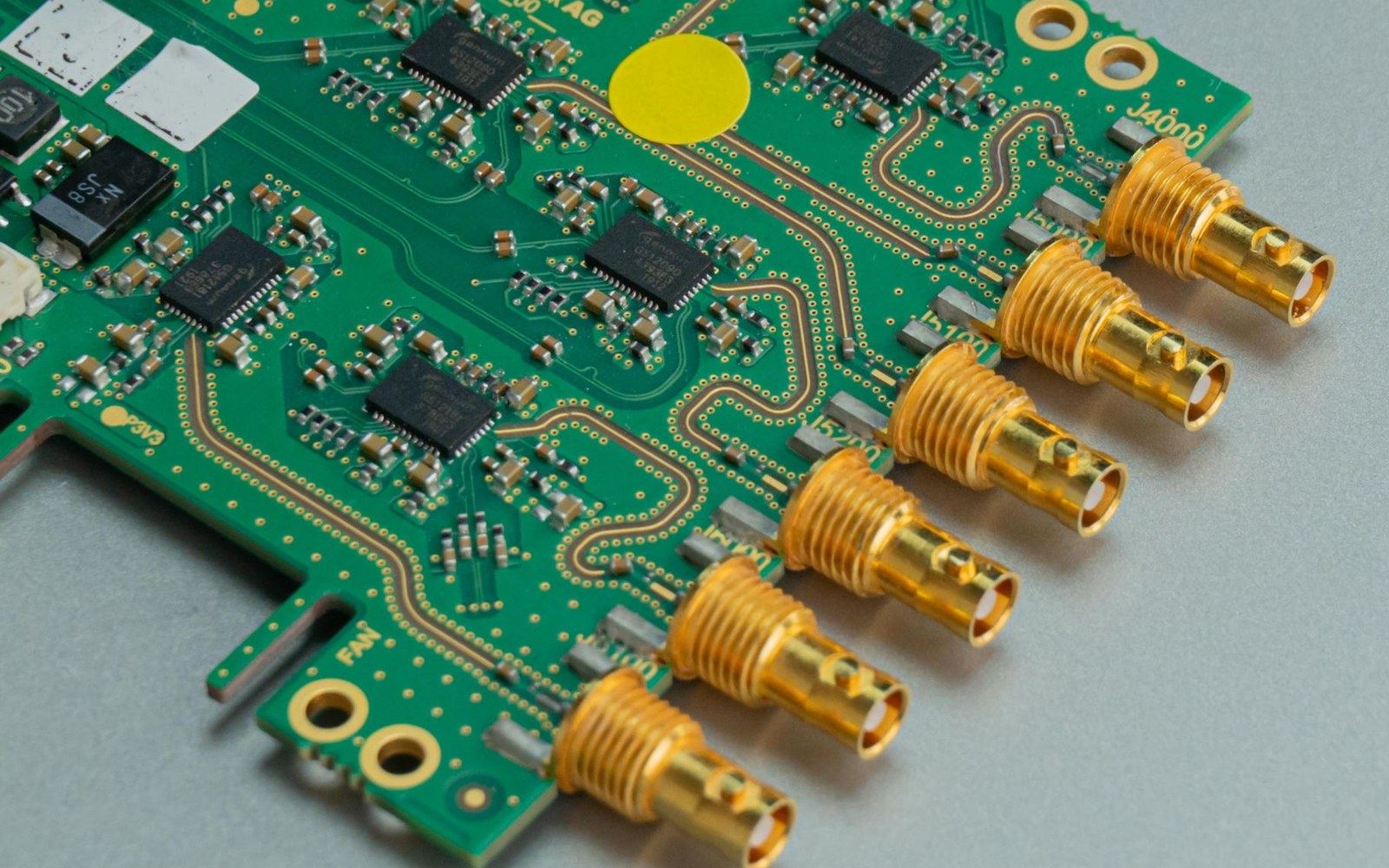
Legislation written for washing machines is landing on mixing consoles, amp modellers, and audio interfaces — and the schematic question is now a policy question.

A serial number is a starting point, not a verdict — but the right register makes it a precise one.
What happened to the market — the filings, the acquisitions, the channels that replaced the shop floor.
Section 2The products that reshaped the floor — modellers, interfaces, microphones, controllers, and the used-market bubble.
Section 3CITES listings, timber shortages, the Lacey Act, and what the industry started building from instead.
Section 5The instruments and tools that arrived, settled, and never really left — their origins, their run, their record.