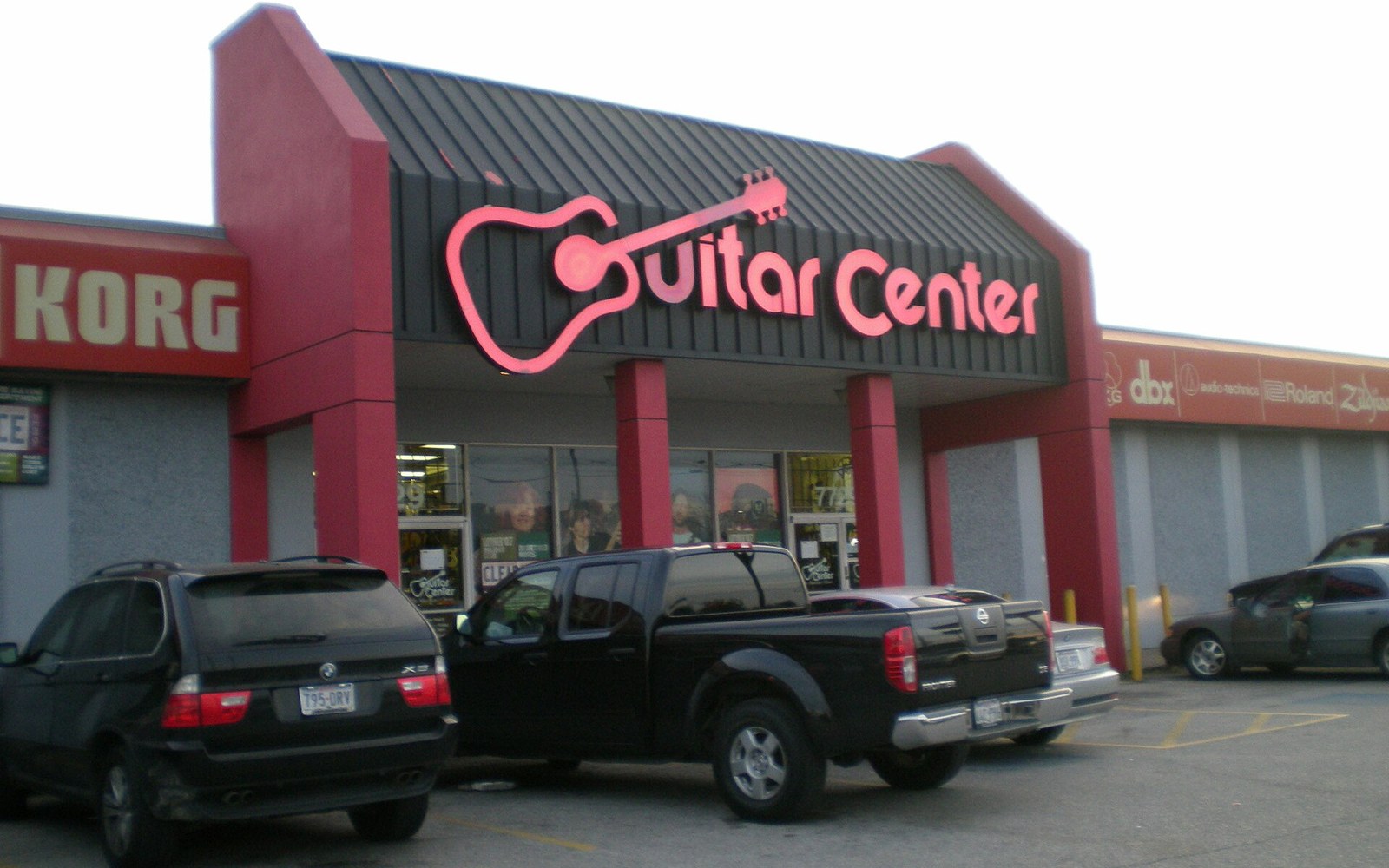
The Trade
Guitar Center's Chapter 11 and What Came Out the Other Side
The filing made headlines as a retail death notice. The balance sheet told a different story.
Instruments and studio equipment as a working trade — the filings, the products, the timber and the bench.
What happened to the market — the filings, the acquisitions, the channels that replaced the shop floor.
eight pieces · every section
The filing made headlines as a retail death notice. The balance sheet told a different story.
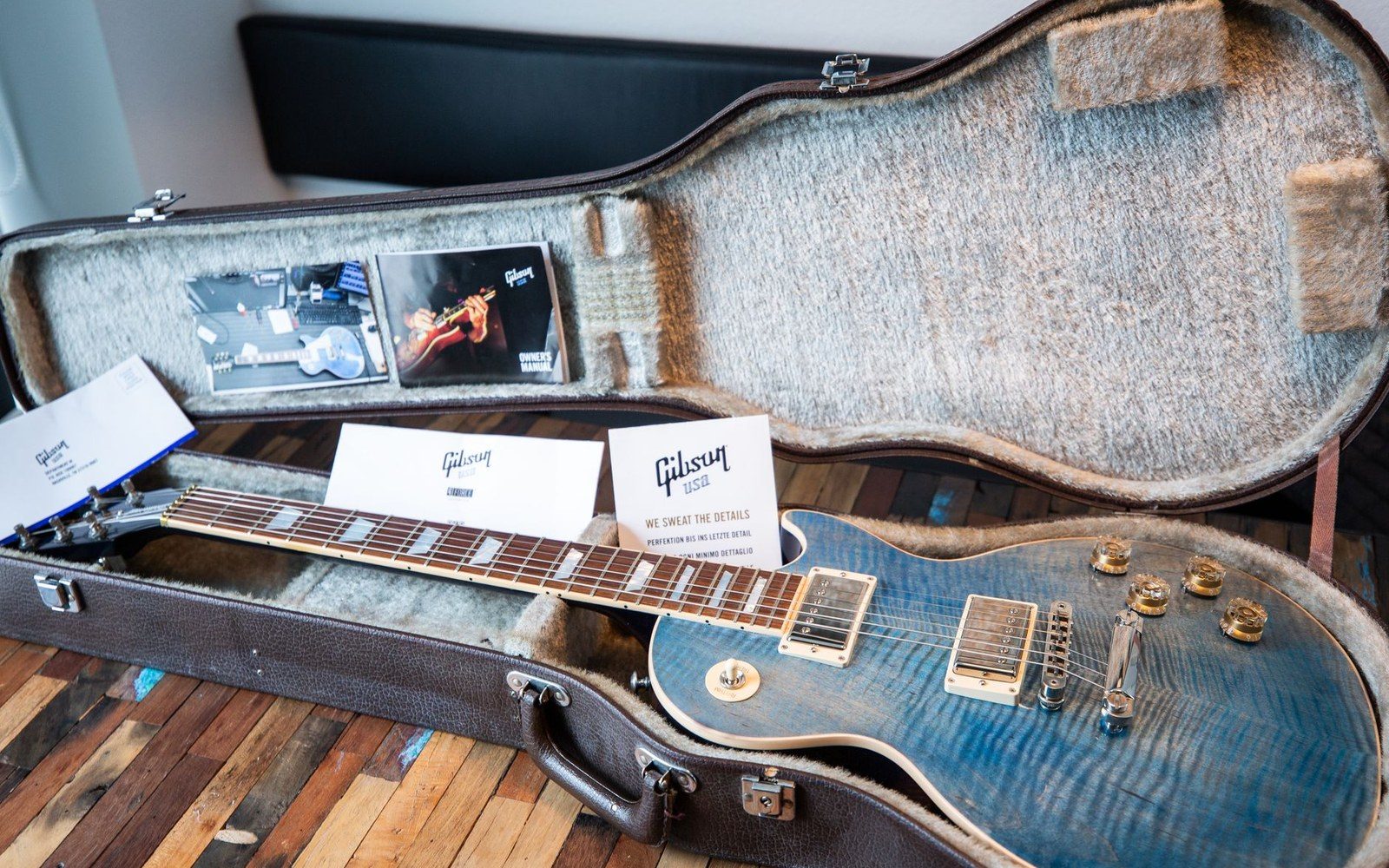
Gibson's 2018 bankruptcy, thirty years of accumulated strategy, and what KKR found when it arrived
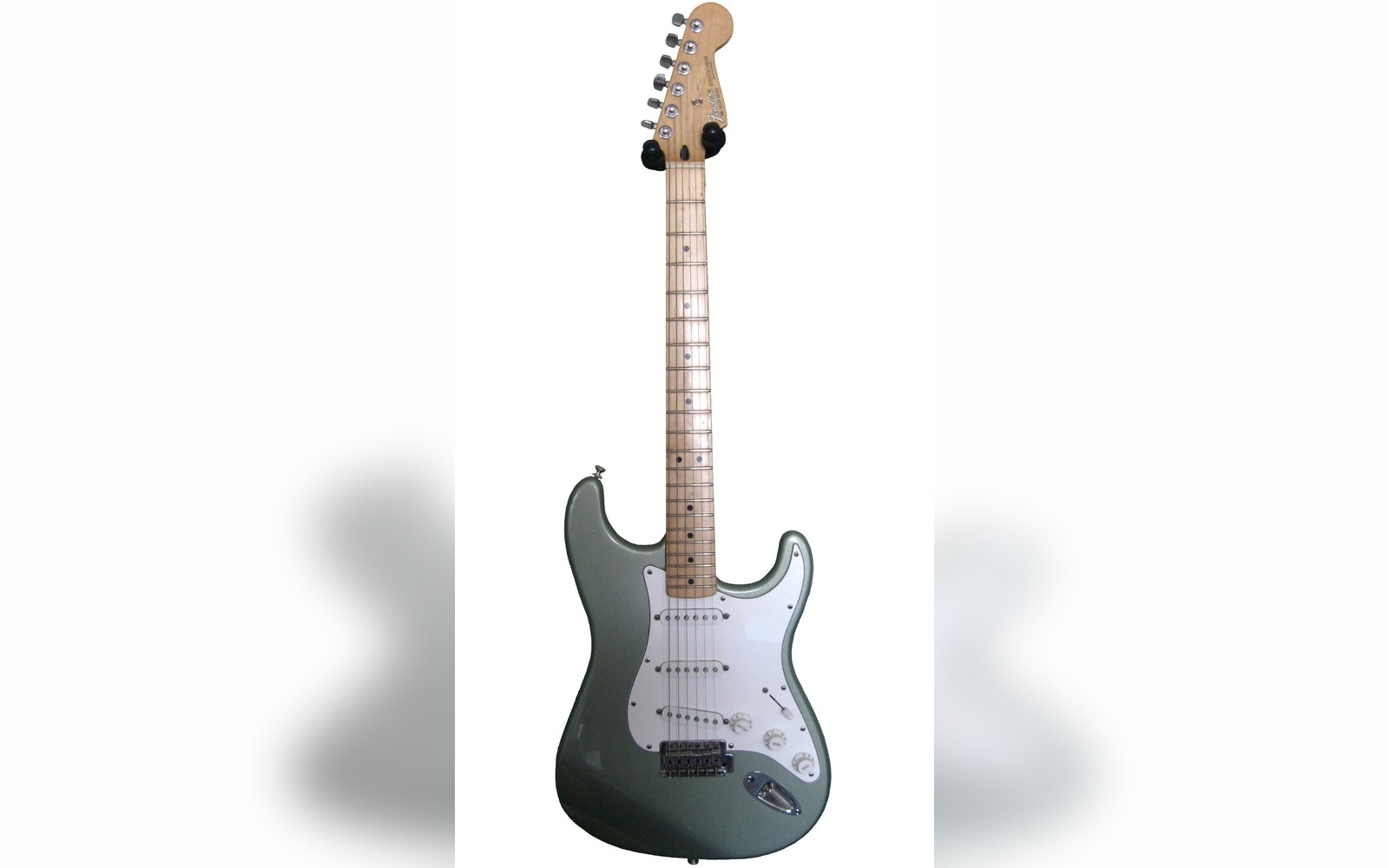
A pandemic sales record collided with a dropout rate Fender had already measured.
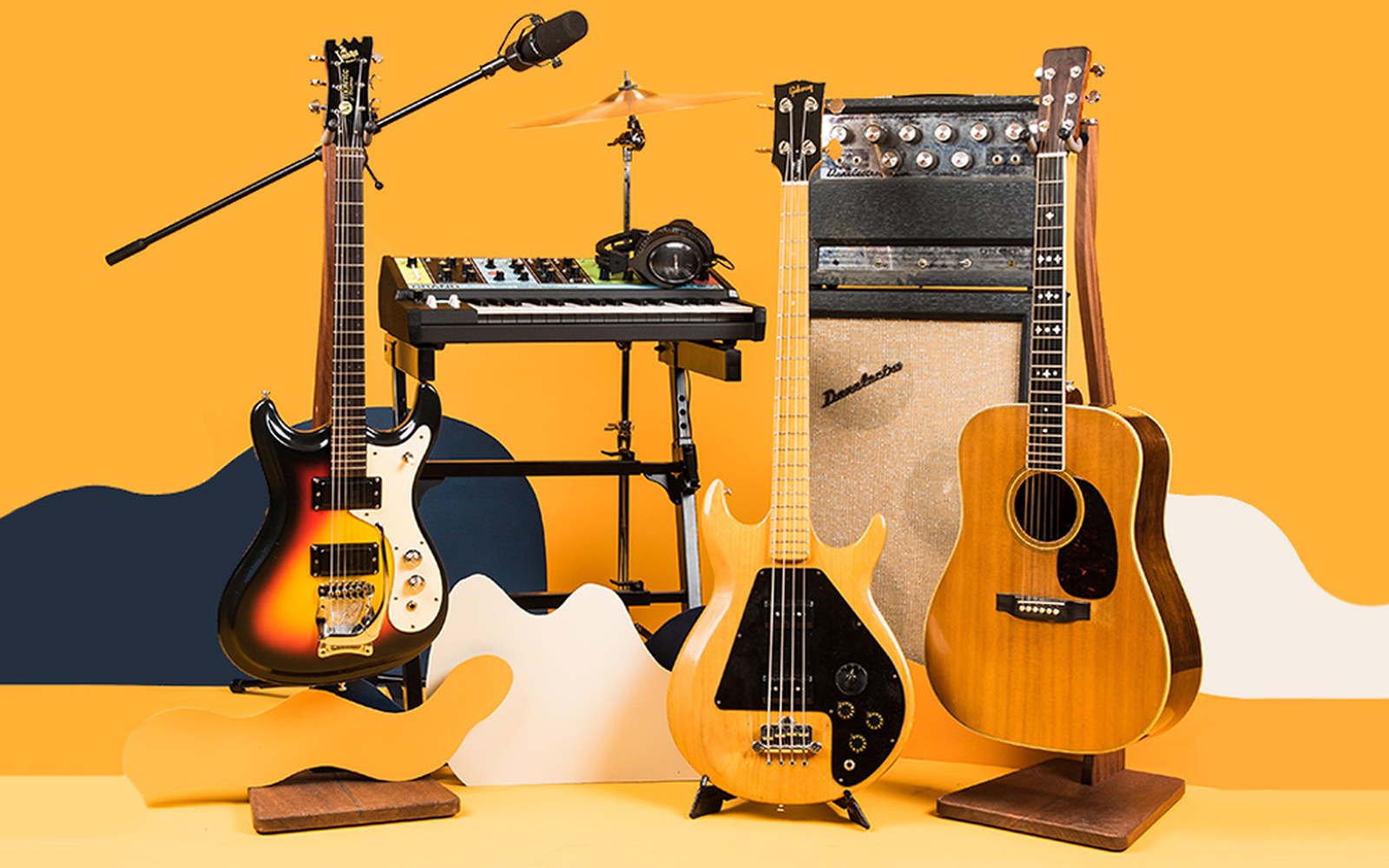
Two transactions, five years apart, frame everything the used-instrument trade learned about living inside a general platform.
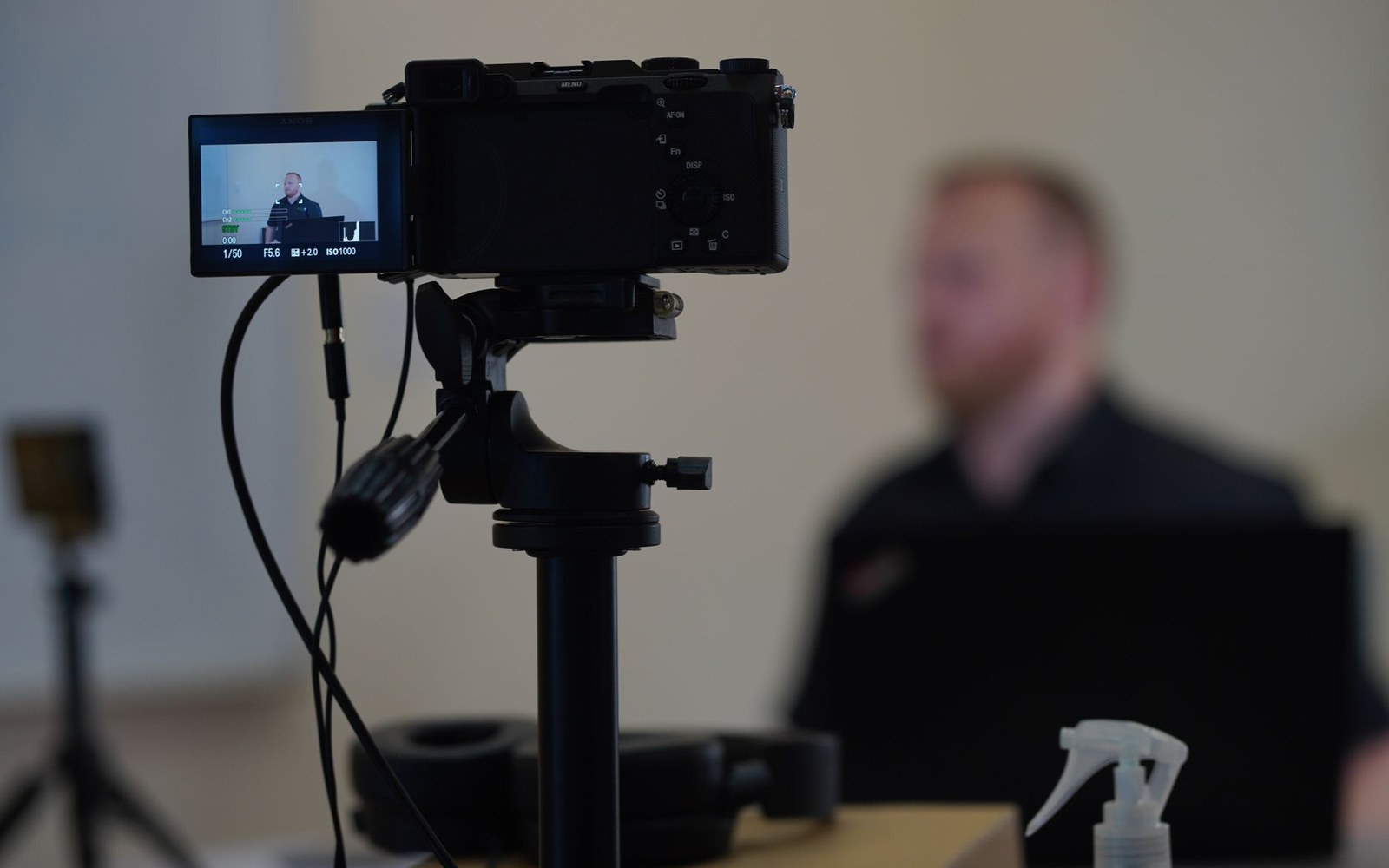
A Guildford music retailer built a YouTube presence that made the in-store demo redundant — and then made the catalogue redundant too.
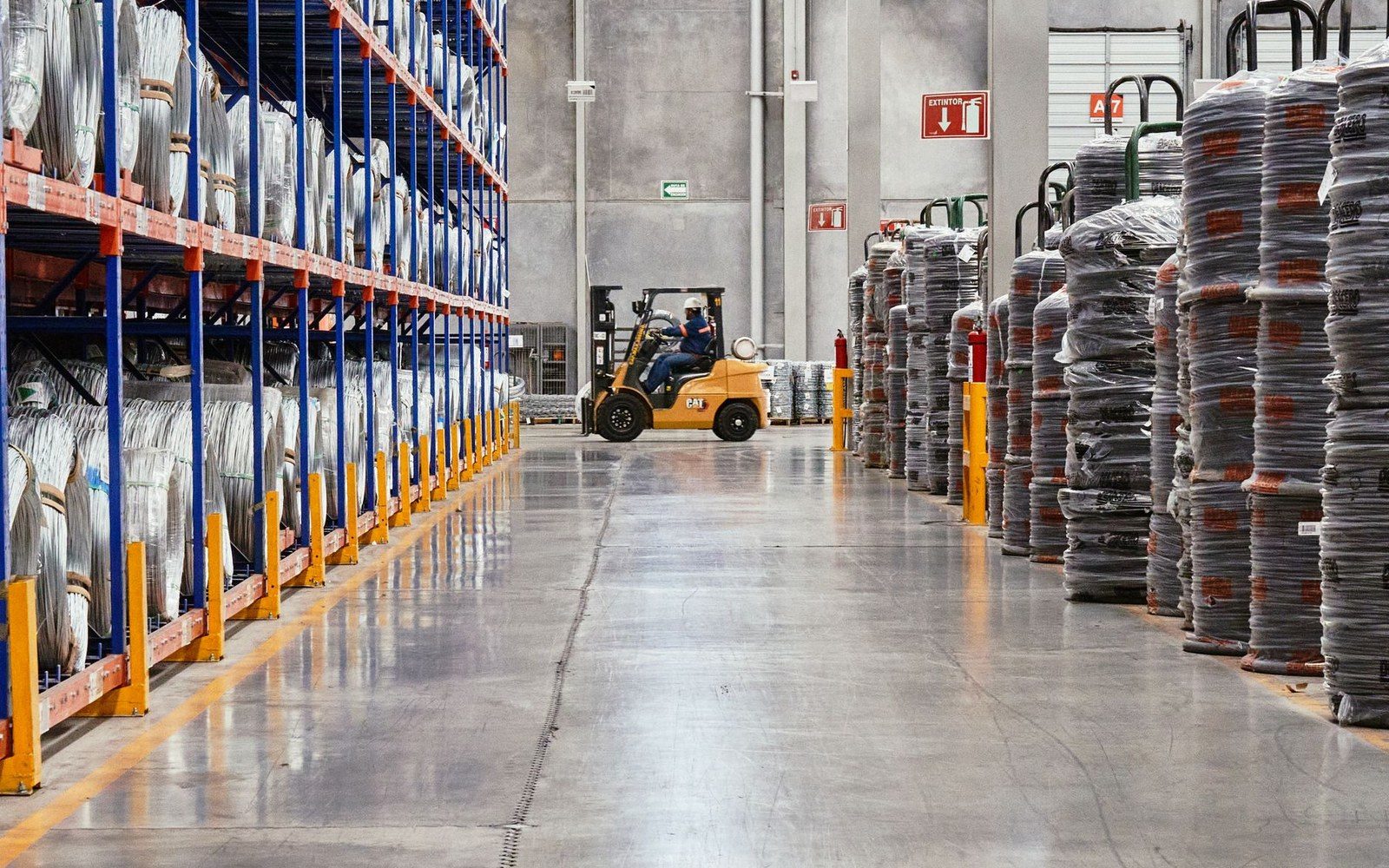
One is in Fort Wayne, Indiana. One is in a German village. Together they reshaped what it means to sell an instrument.
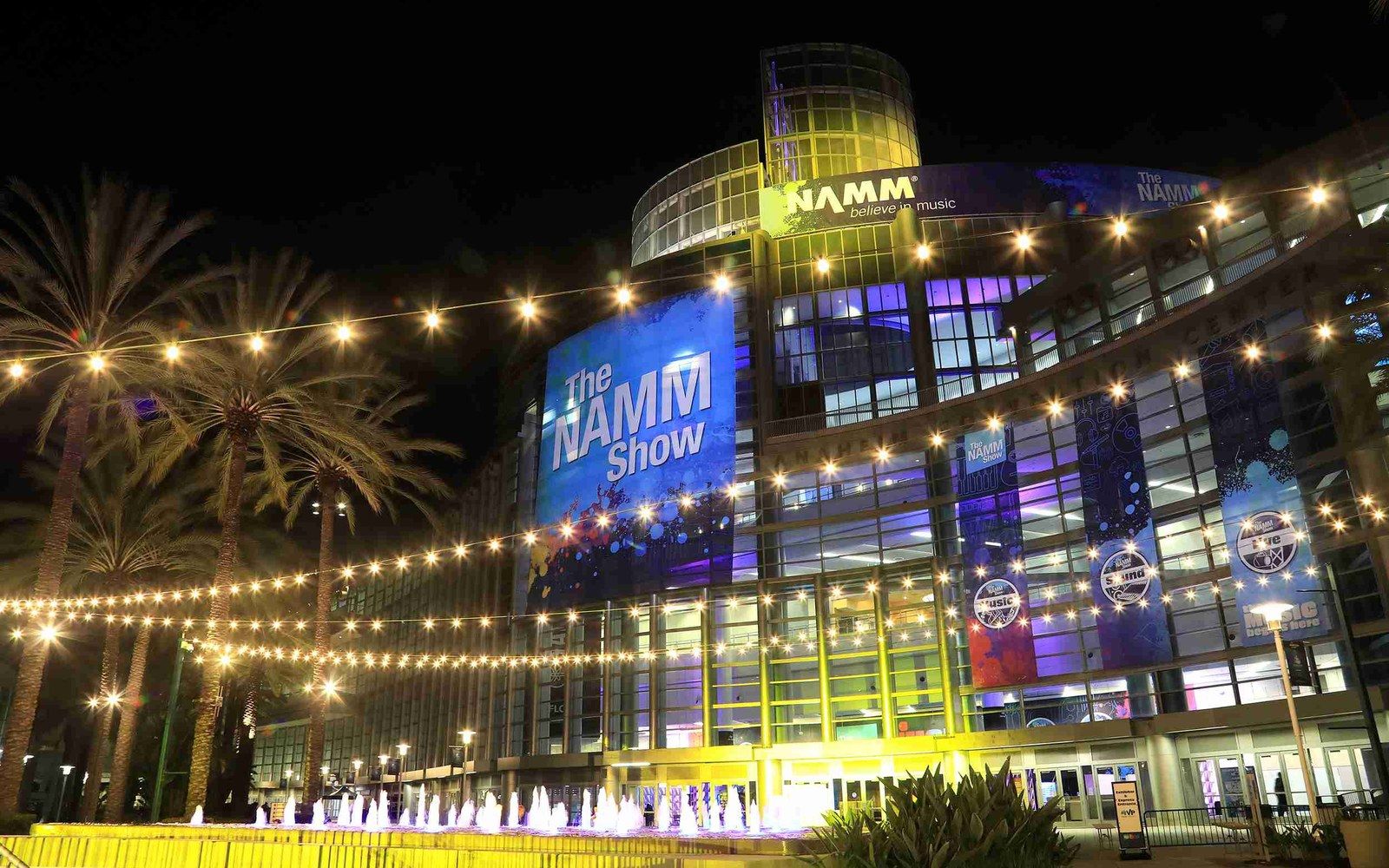
Documents the contraction of the NAMM Show in Anaheim — exhibitor count, floor square footage, and the exit of major manufacturers from in-person debuts between 2018 and 2024 — and asks what the trade show format does that a product video on YouTube does not..
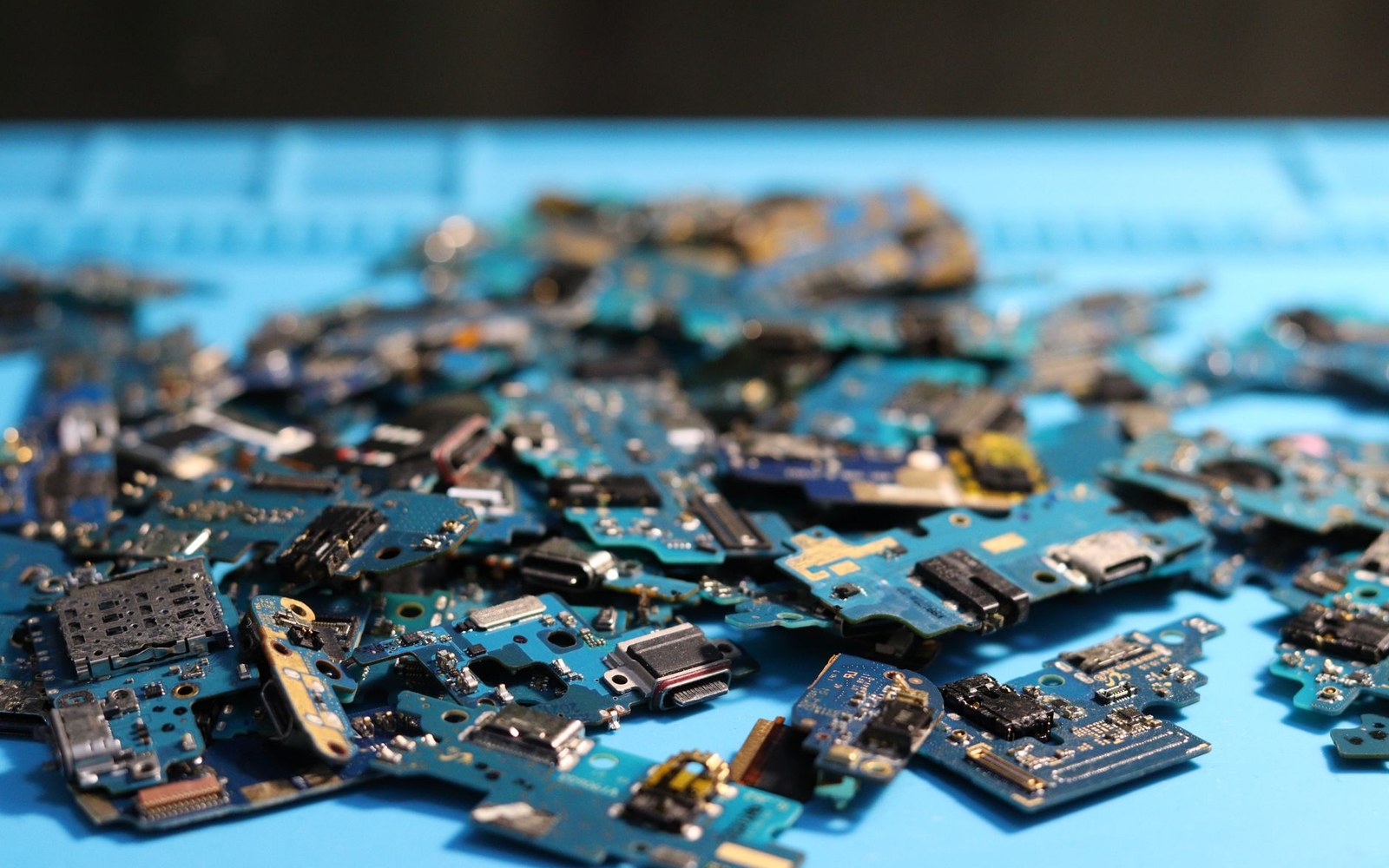
Why small-run effects pedals hold prices that the Behringer clone economy cannot touch — and what keeps that floor in place.
The products that reshaped the floor — modellers, interfaces, microphones, controllers, and the used-market bubble.
Section 3CITES listings, timber shortages, the Lacey Act, and what the industry started building from instead.
Section 4What a technician does — fret work, valve biasing, capstan wear, humidity, the right-to-repair argument.
Section 5The instruments and tools that arrived, settled, and never really left — their origins, their run, their record.