CITES Appendix II, 2017: The Year Every Rosewood Guitar Needed a Certificate
A single CoP17 vote brought every Dalbergia species under international permit rules — and the instrument trade had about three months to adapt.
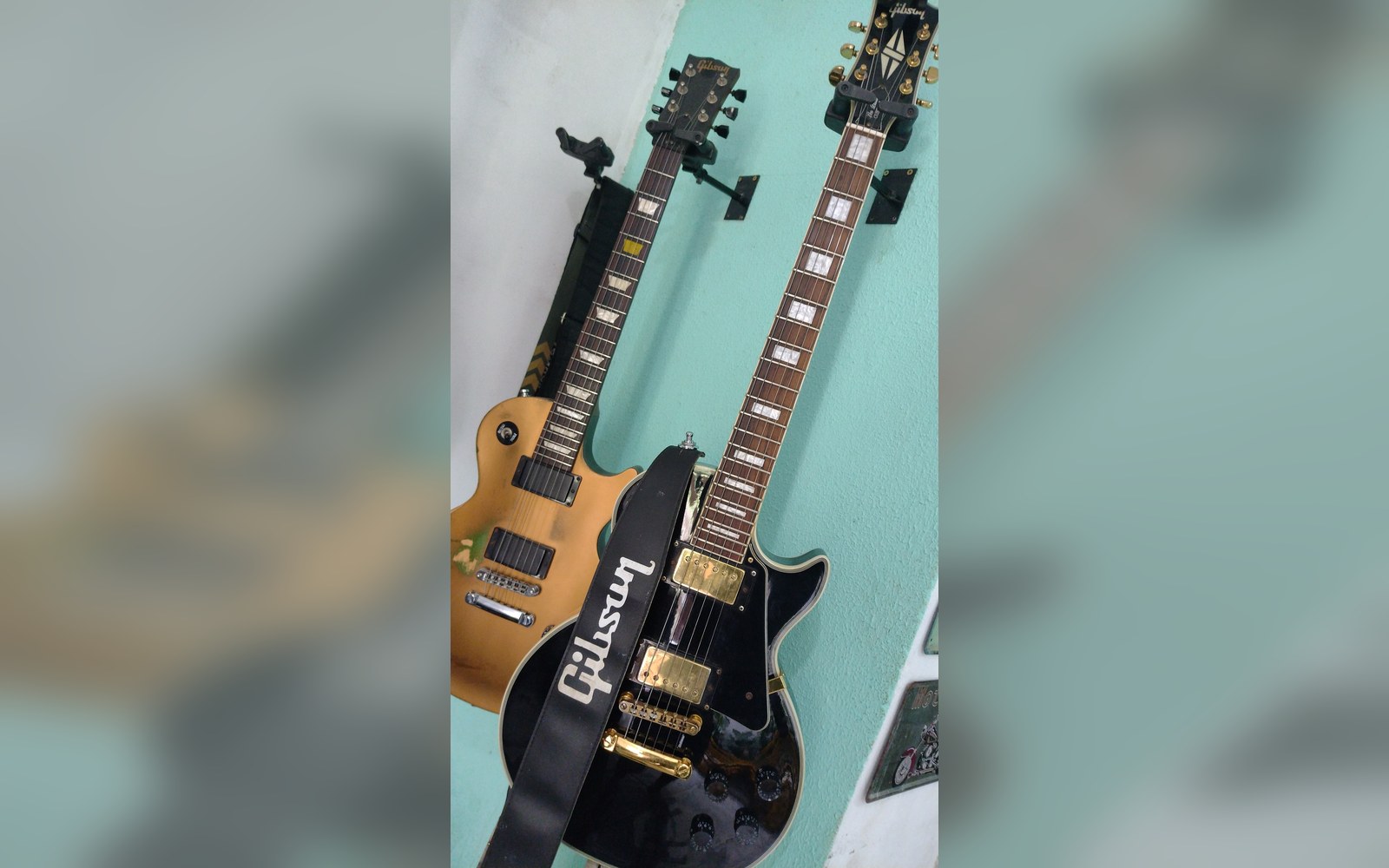
Instruments and studio equipment as a working trade — the filings, the products, the timber and the bench.
CITES listings, timber shortages, the Lacey Act, and what the industry started building from instead.
six pieces · every section
A single CoP17 vote brought every Dalbergia species under international permit rules — and the instrument trade had about three months to adapt.
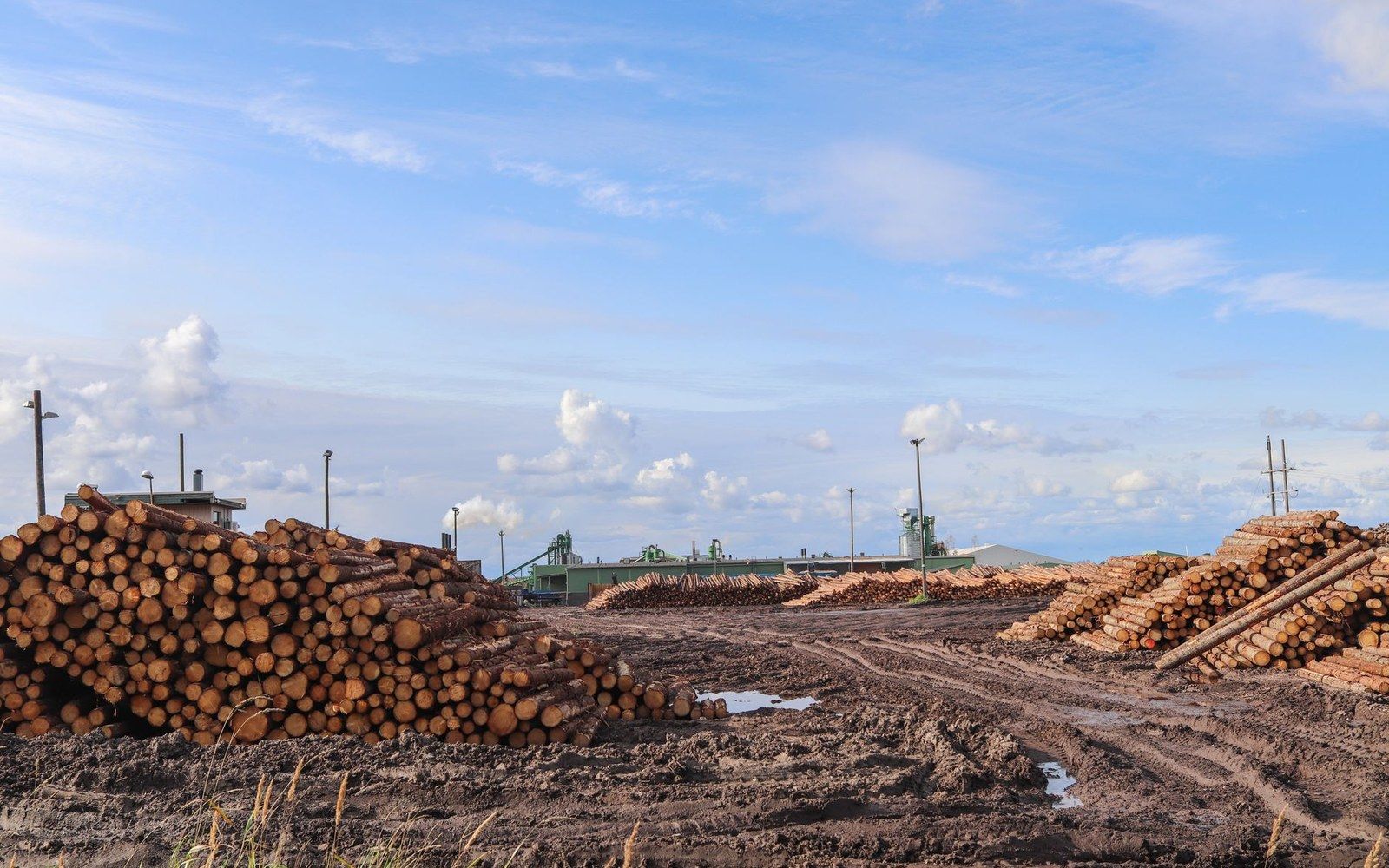
When a guitar maker bought into the source, it found that the ideal it was chasing exists in only eight percent of the harvest.
The top wood the acoustic industry depends on is still there — but the old-growth portion is not coming back.
When federal agents walked into a guitar factory, the question wasn't whether the wood was real — it was whether the paperwork was.
Torrefied, roasted and thermally modified are three terms for one process, and wood-science research partly supports the tonal and stability claims.
A materials directive designed for consumer electronics reached the audio service bench in 2006 and never really left.
What happened to the market — the filings, the acquisitions, the channels that replaced the shop floor.
Section 2The products that reshaped the floor — modellers, interfaces, microphones, controllers, and the used-market bubble.
Section 4What a technician does — fret work, valve biasing, capstan wear, humidity, the right-to-repair argument.
Section 5The instruments and tools that arrived, settled, and never really left — their origins, their run, their record.