
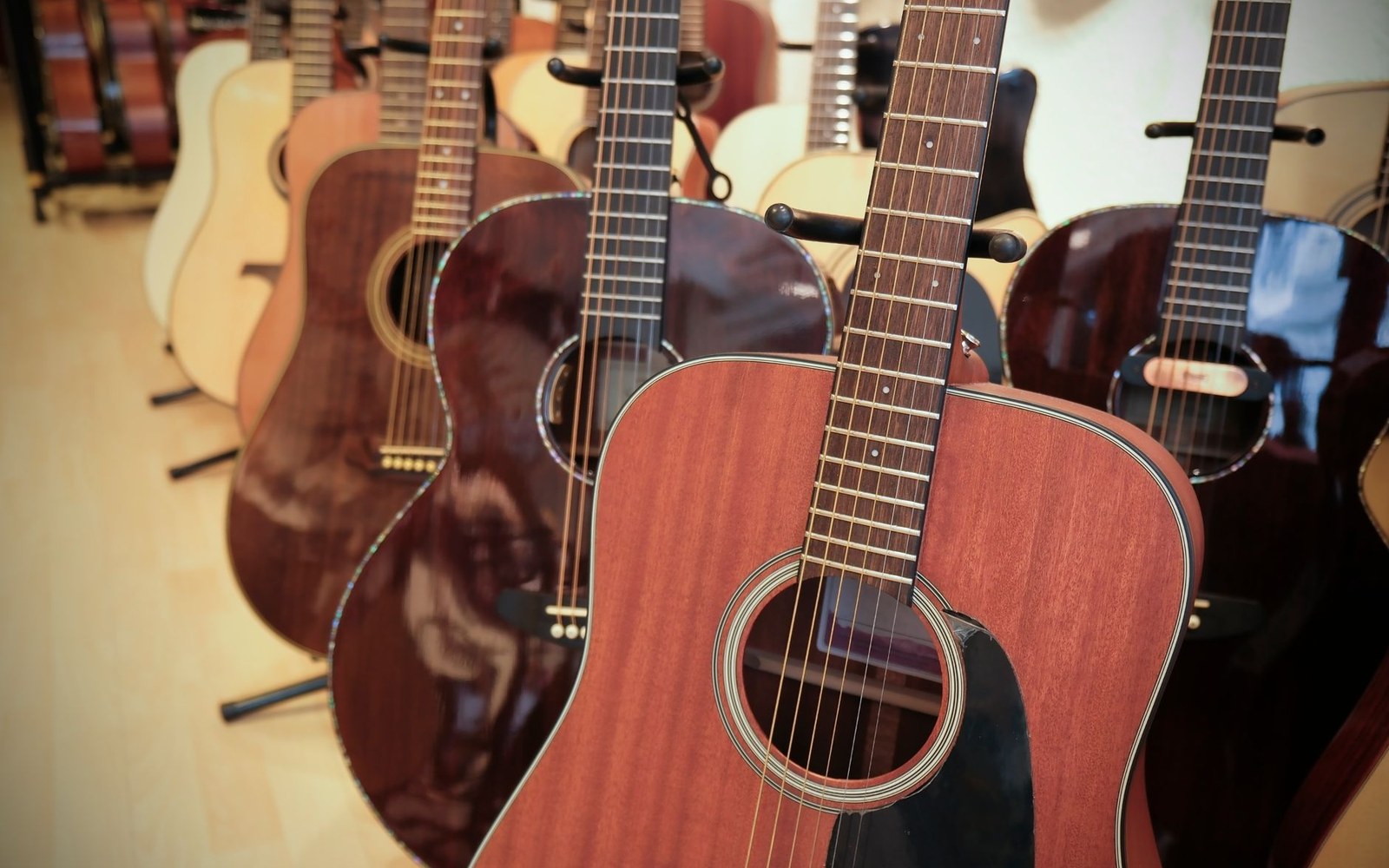
The Listing and Its Immediate Shock
The decision came out of the seventeenth Conference of the Parties to CITES, held in Johannesburg in September and October 2016, with the new rules taking effect on 2 January 2017. The proposal to list all Dalbergia species — the genus that covers every true rosewood, including the Brazilian D. nigra, Indian D. latifolia, and the wide family of East Asian and African rosewoods — under CITES Appendix II was driven by evidence of unsustainable harvesting pressure, particularly on D. odorifera and related Asian species flowing into Chinese hongmu furniture production. The instrument industry was not the target. It became collateral.
Appendix II status does not ban trade; it requires that each shipment carry documentation — specifically an export permit issued by the country of origin — confirming the specimen was legally sourced and that the export will not harm the species' survival. For a furniture container moving a commodity, the paperwork overhead is manageable. For a guitar builder shipping ten instruments to a dealer in Japan, or a touring musician crossing borders with a rosewood-bridged acoustic, the requirement was operational chaos. Customs agencies in many countries had no standing procedure for individual instrument permits. Some shipments were held. Some were turned back. Repair technicians dealing in vintage instruments faced the same exposure: a 1970s Brazilian rosewood-necked guitar with no documentation was, in principle, a compliance problem.
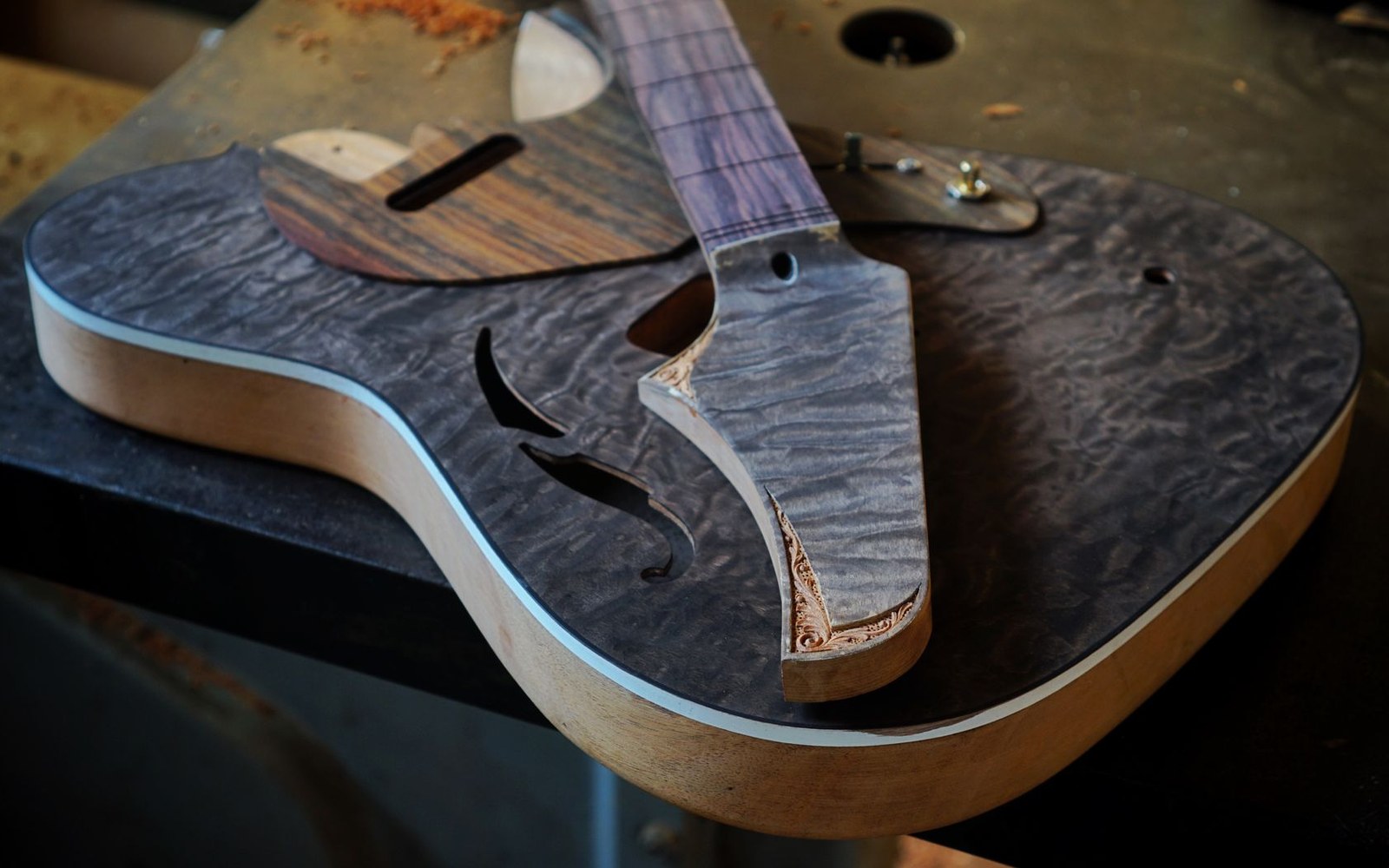
Taylor Guitars — whose work with the Crelicam ebony mill in Cameroon had already made it one of the industry's more materials-literate companies — moved quickly toward alternative fingerboard materials, as did other large builders. Fender and Gibson had already been through material substitutions driven by earlier Dalbergia nigra controls and the Lacey Act pressure of the previous decade. The 2017 listing accelerated what was already a gradual drift toward Richlite, roasted maple, and other fingerboard alternatives. Smaller luthiers, particularly those sourcing aged tonewoods for custom builds, had fewer options and a harder compliance path.
NAMM, the Secretariat, and the 2019 Fix
NAMM, whose membership spans the full breadth of the instrument trade, commissioned an economic impact assessment documenting the cost and disruption falling on builders, retailers, and musicians. The case NAMM and allied trade bodies made to the CITES Secretariat was specific: finished musical instruments represent a negligible fraction of Dalbergia trade by volume, the species pressure driving the listing came overwhelmingly from timber and furniture sectors, and the permit burden on instruments was disproportionate to any conservation benefit.
The argument worked. At CoP18 in Geneva in 2019, parties agreed to a musical-instrument exemption — technically an annotation to the Appendix II listing — that removed the per-shipment permit requirement for finished instruments and instrument parts containing Dalbergia wood, provided the items meet defined criteria: commercially manufactured, not raw timber, not in quantities suggesting re-export as material. A personal instrument carried across a border by a traveller, or a small consignment of finished guitars from a licensed manufacturer, no longer required a CITES export permit in most signatory countries. The two-year window between the 2017 listing and the 2019 amendment was, in trade terms, significant: businesses absorbed real compliance costs, some vintage instrument sales stalled, and the documentation habits formed during that period left a lasting mark on how larger builders manage timber records.
The rosewood episode is often read as a cautionary story about conservation regulation overreaching into unintended markets. The more accurate read is that the Dalbergia genus genuinely needed protection — D. nigra had been Appendix I since 1992 — and that the instrument trade's two-year scramble reflected an industry that had not previously needed to treat its material supply as a regulated commodity. The 2019 exemption restored practicality. The underlying listing remains, and the timber documentation infrastructure the trade built in 2017 has not been dismantled. Nor should it be.