The Supply Reality
Sitka spruce (Picea sitchensis) has dominated acoustic soundboard construction for more than a century. Its combination of stiffness-to-weight ratio and long, tight grain — conditions produced by centuries of slow growth in coastal Pacific Northwest and southeast Alaskan forests — is difficult to replicate at speed. Taylor Guitars, Martin, Gibson, and virtually every production acoustic builder sources Sitka for standard-line tops. The problem is not the species overall; it is the old-growth stock that produces the widest, most consistent quartersawn blanks.
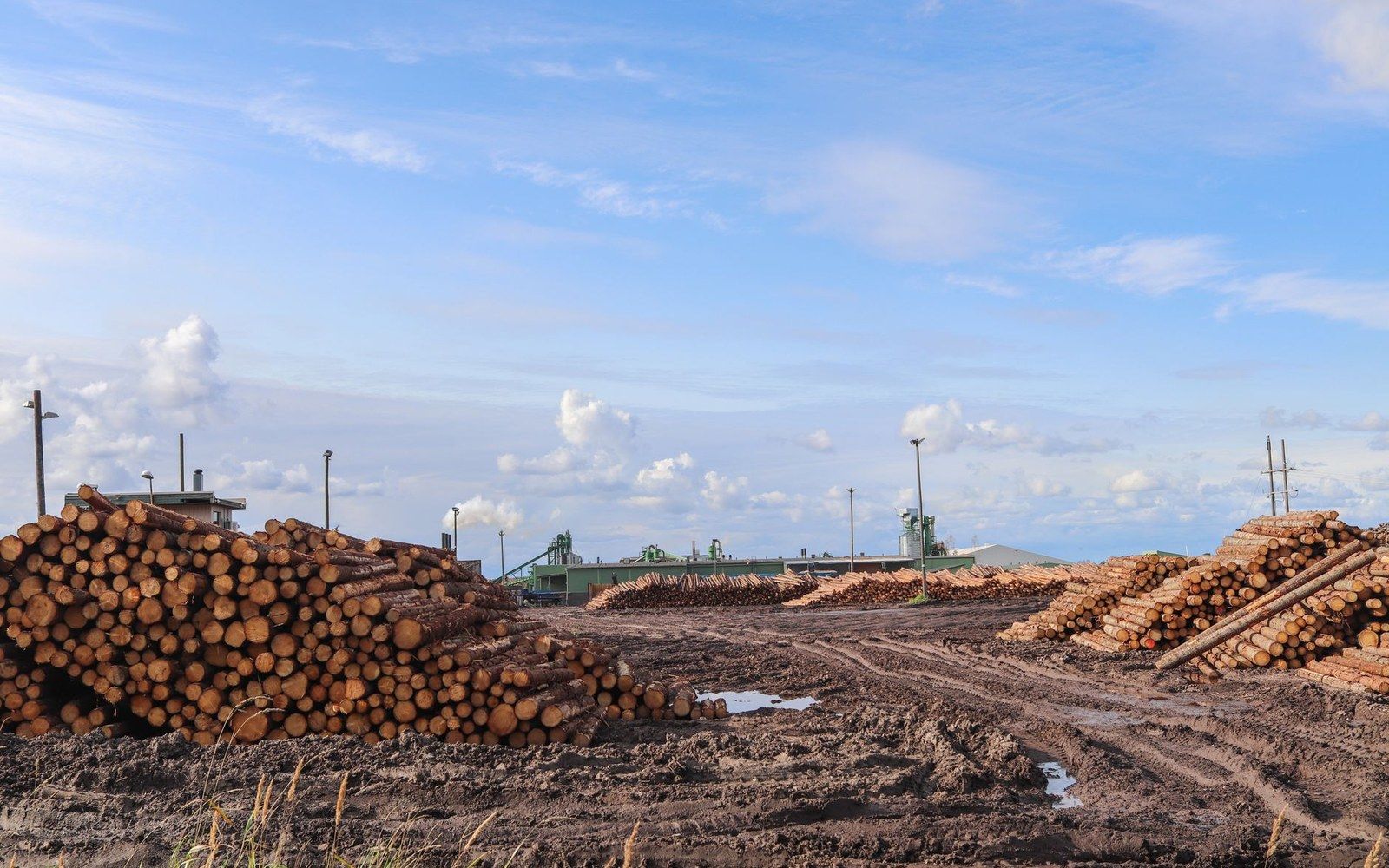
The USDA Forest Service's monitoring of Tongass National Forest, which covers the primary old-growth Sitka range in southeast Alaska, has documented declining timber sale volumes from old-growth stands over successive decades as conservation policy and litigation reduced harvest access. Instrument-grade Sitka — clear, tight-grained, free of runout — requires exactly the slow-grown old-growth trees that fell first and regenerated least. Second-growth Sitka exists in volume, but the grain spacing is wider and the stiffness-to-weight advantage narrows considerably.
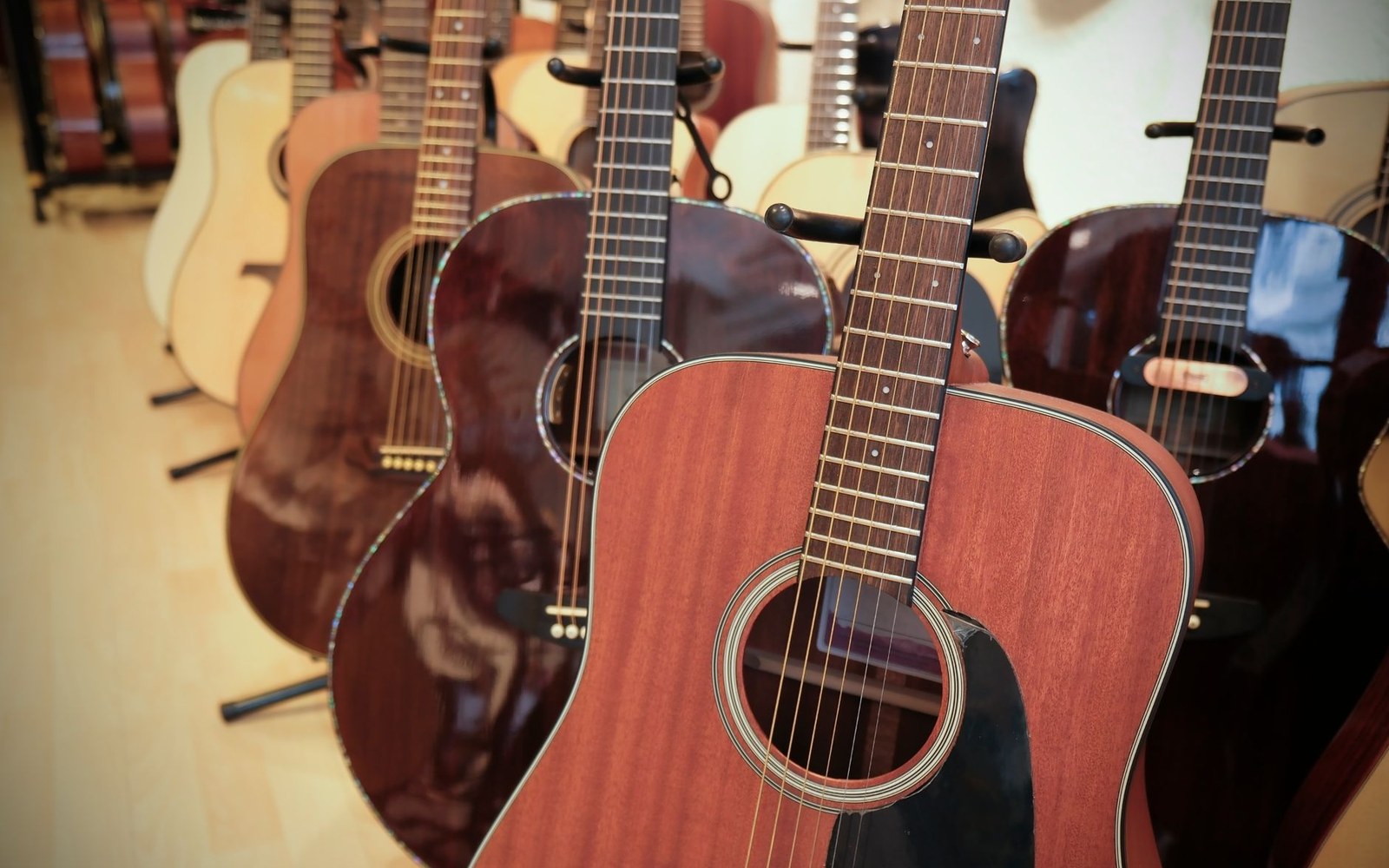
The industry's operational response has moved in three directions simultaneously. European spruce (Picea abies), the traditional tonewood of classical lutherie, has absorbed a growing share of the premium-acoustic market; it offers comparable stiffness, slightly higher density, and a supply chain rooted in sustainably managed Alpine and Carpathian forests. Engelmann spruce (Picea engelmannii), harvested from higher-elevation Rocky Mountain forests, provides a lighter, softer alternative favoured for fingerstyle builds. Neither is a straight substitute — builders and players regard them as distinct sonic choices, not fallbacks.
The third route is thermal modification. Torrefied spruce — Sitka or European — heat-treated in low-oxygen kilns to drive out moisture and cross-link the wood's cell structure — has moved from novelty to catalogue option at Taylor, Martin, and several smaller production houses. The process advances the acoustic properties of younger, lighter-weight timber toward those of aged old-growth, reducing the effective dependence on century-old trees while producing a dimensionally stable top.
None of these shifts resolve the underlying constraint. Old-growth Sitka is a non-renewable resource on any human timescale, and the instrument trade's premium tier is structured around it. The pivot to alternatives is real and commercially functional — but for luthiers and production buyers who specify old-growth Sitka by name, the harvest horizon has already arrived.