

The Raid and What Agents Were Looking For
On 24 August 2011, agents from the US Fish & Wildlife Service and Homeland Security Investigations executed search warrants at Gibson Guitar's facilities in Nashville, Tennessee, and Memphis, seizing shipments of ebony from Madagascar and fingerboard blanks sourced from India. It was the second federal action against Gibson in two years — a 2009 raid had targeted the same Nashville plant over similar concerns — and it put the company's wood procurement practices under a scrutiny the broader industry had not previously faced.
The legal instrument was the Lacey Act, a century-old wildlife-protection statute that Congress amended in 2008 to cover illegally harvested plants and timber products. Before that amendment, the act covered animals; after it, any wood product entering the United States could be subject to seizure and prosecution if the raw material had been taken or traded in violation of a foreign country's own laws. The government did not need to prove the importer knew the timber was illegal — it needed to show the importer had not exercised due care in establishing legality.
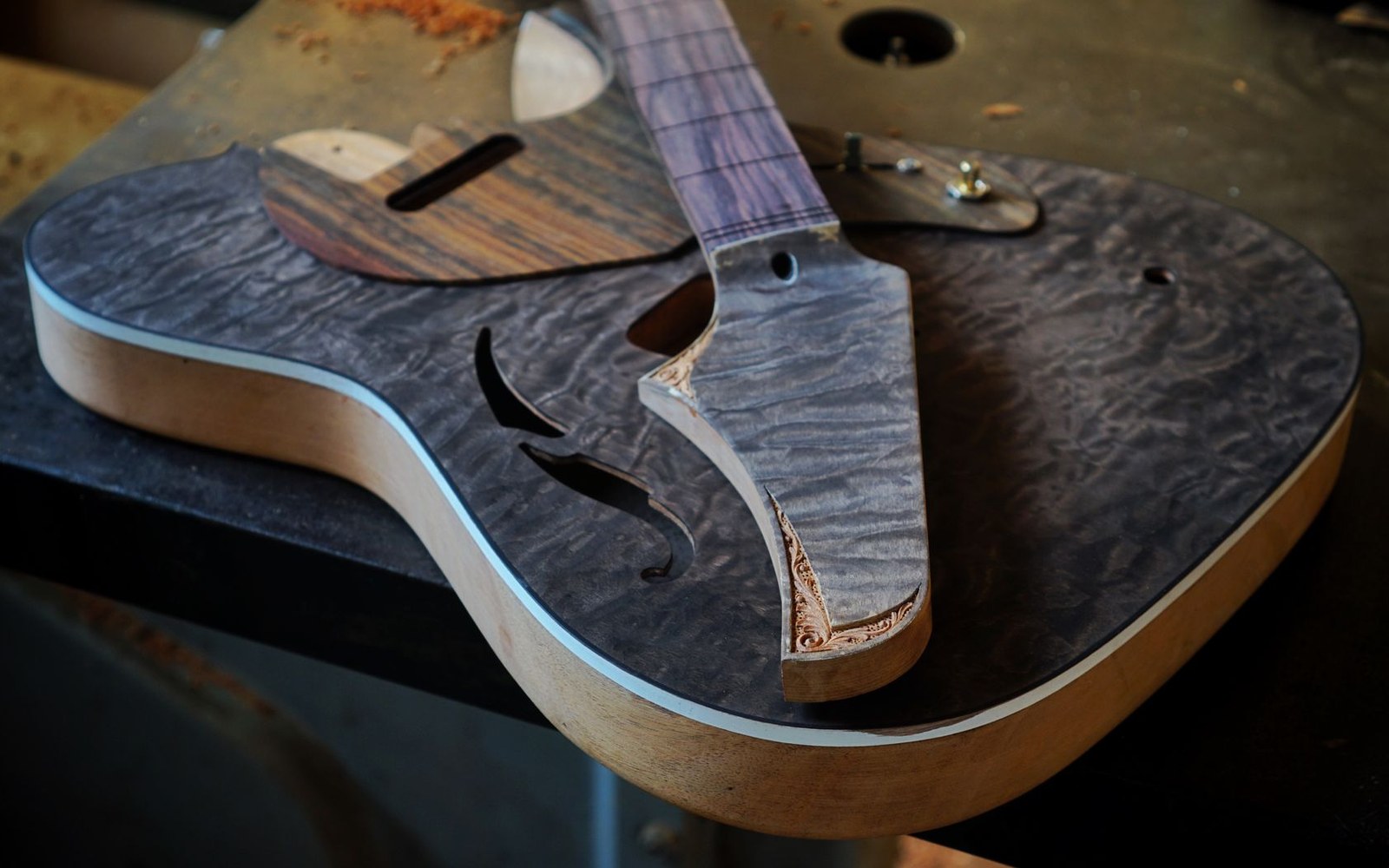
For Gibson, the Madagascar ebony problem centred on an export certification issued by the Malagasy government. US prosecutors argued the certification was invalid under Madagascar's domestic law, which at the time restricted export of unfinished ebony — the form in which Gibson had received it. The Indian rosewood question turned on whether the wood had been processed in India to the degree required under Indian export regulations before shipment. Gibson maintained its suppliers had provided valid documentation; the government maintained that documentation did not satisfy Lacey's due-care standard.
Settlement, Terms, and Industry Impact
In August 2012, Gibson reached a civil forfeiture agreement with the Department of Justice. The company paid a community service payment of $300,000 — directed to the National Fish and Wildlife Foundation — and forfeited the seized wood. The settlement carried no criminal charges and no admission of wrongdoing on Gibson's part, but it came with a binding compliance programme: Gibson agreed to adopt internal procedures ensuring future wood purchases met Lacey's requirements.
Henry Juszkiewicz, then CEO, publicly framed the settlement as a vindication, arguing Gibson had never broken any law and that the forfeiture was a pragmatic resolution. The Department of Justice did not characterise it that way. What both parties confirmed was that the $300,000 figure and the compliance programme were the price of closing the matter without trial.
- 2008Lacey Act amended to cover plants and timber products
- 2009First federal raid on Gibson's Nashville facility
- 24 August 2011Second raid; Nashville and Memphis facilities; Madagascar ebony and Indian rosewood seized
- August 2012Civil forfeiture settlement: $300,000 community service payment, compliance programme
- 2011Taylor Guitars co-purchases Crelicam ebony mill, Cameroon
- 2017CITES Appendix II extended to all Dalbergia species
- 2019CITES musical-instrument exemption enacted at CoP18
The broader industry read the outcome as a structural signal, not just a Gibson story. Taylor Guitars, which had already co-purchased the Crelicam ebony mill in Cameroon in 2011 as a supply-chain transparency measure, represented one model of response — vertical integration as documentation. Other builders and importers moved to increase paper trails: origin certificates, chain-of-custody declarations, supplier affidavits mapped to Lacey's specific due-care language.
The 2008 amendment had introduced a declaration requirement for commercial importers of plant products: species name, country of harvest, quantity, value. The Gibson raids demonstrated that a declaration in the correct form, backed by foreign paperwork that turned out to be legally defective under the source country's own statutes, was not protection enough. What Lacey actually demanded was that importers investigate — not simply receive — evidence of legality. That distinction reshaped purchasing contracts across the supply chain.
Repair technicians and small luthiers importing raw tonewoods faced the same legal exposure as a corporation, though enforcement has targeted commercial-scale shipments. The 2017 CITES Appendix II listing of all Dalbergia species added a parallel layer of export-permit requirements to the Lacey framework, compounding the documentation burden on anyone importing rosewood or ebony internationally. The musical-instrument exemption negotiated at CITES CoP18 in 2019 eased cross-border movement of finished instruments, but raw timber for building and repair remained fully subject to both regimes.
The Gibson case did not slow demand for premium tonewoods. It changed who was responsible for knowing where they came from — and what it cost to prove it.