The Physics Behind the Creak
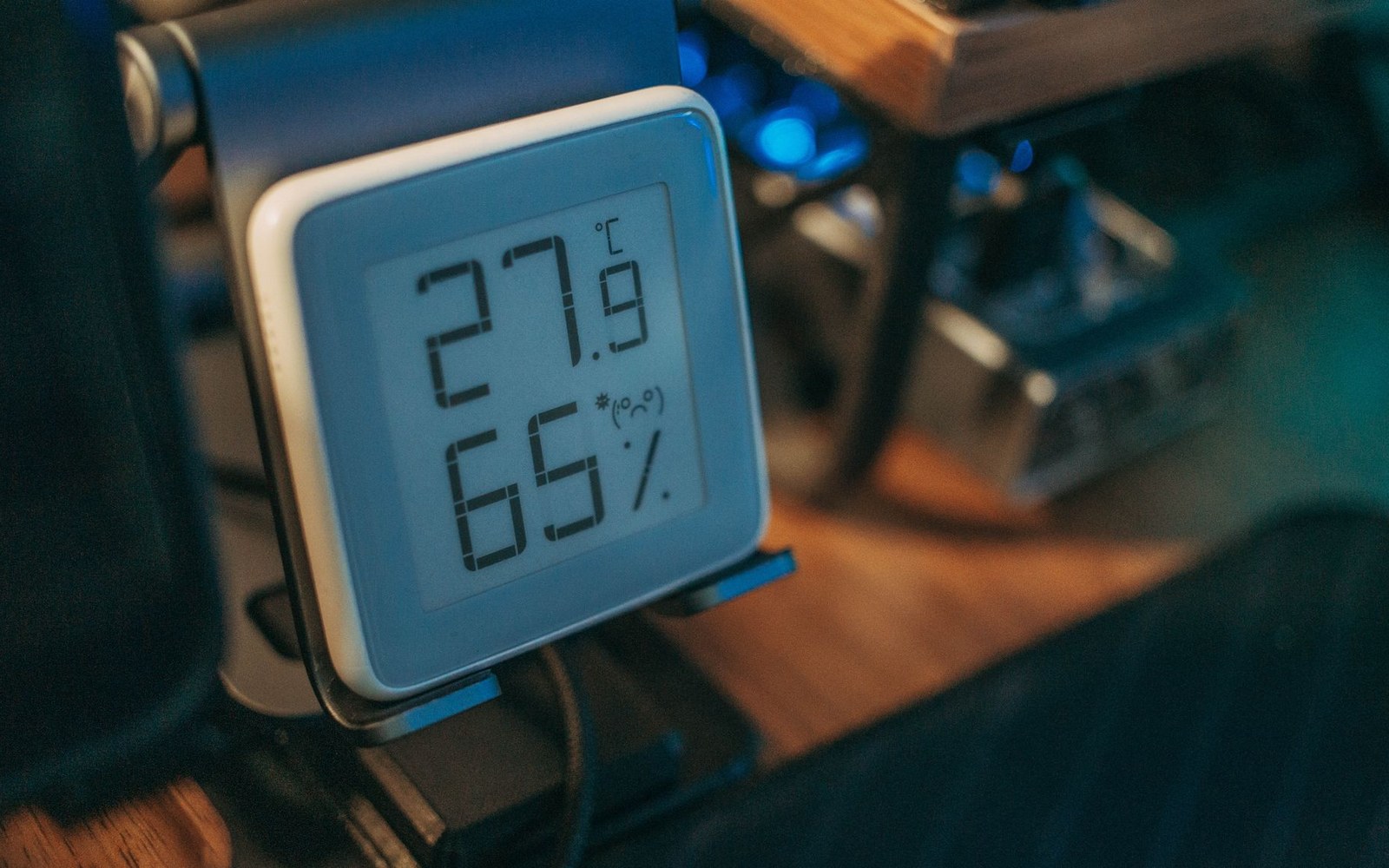
Wood is hygroscopic: it absorbs and releases moisture from the surrounding air continuously, expanding across the grain as humidity rises and contracting as it falls. In a solid-top acoustic instrument — guitar, archtop, mandolin, violin — the top is typically Sitka spruce or another softwood cut thin enough to vibrate freely, which also means thin enough to react fast. A swing from 25% to 55% relative humidity can move the width of a spruce top by a measurable fraction of an inch. Repeat that cycle over seasons and years, and the glue joints, the finish, and eventually the wood itself begin to record the stress.
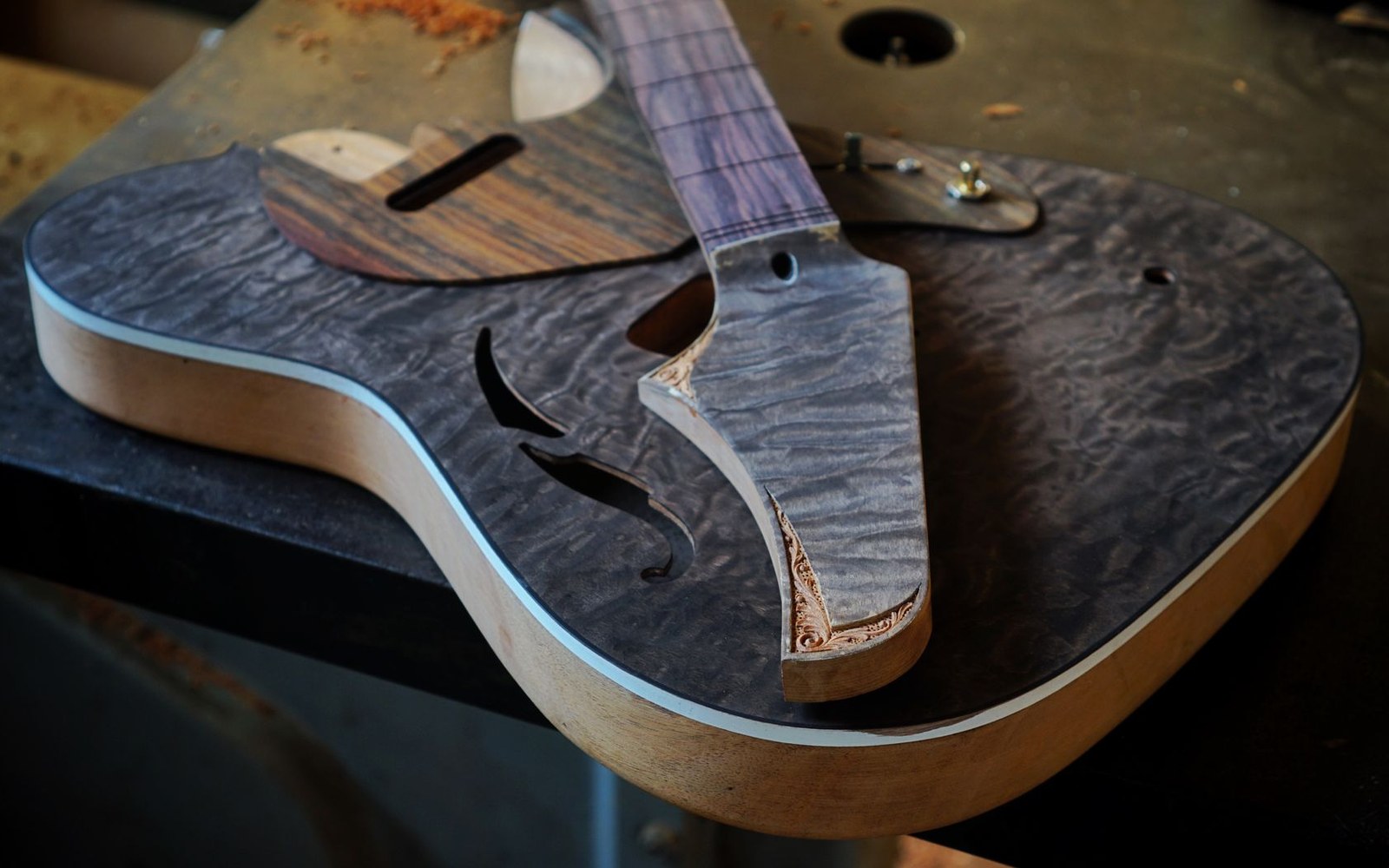
Under-humidification is the more immediately destructive direction. As the top shrinks, it pulls against the fixed length of the guitar body. The finish — lacquer especially — has less flexibility than the wood beneath it and cracks first, usually in parallel lines running with the grain. If the top shrinks further, the joint at the back or where the fingerboard extension meets the body can open. In severe cases the top itself splits, most commonly along the grain between the bridge and the soundhole. The bridge, glued across the grain, resists the movement and acts as a lever.
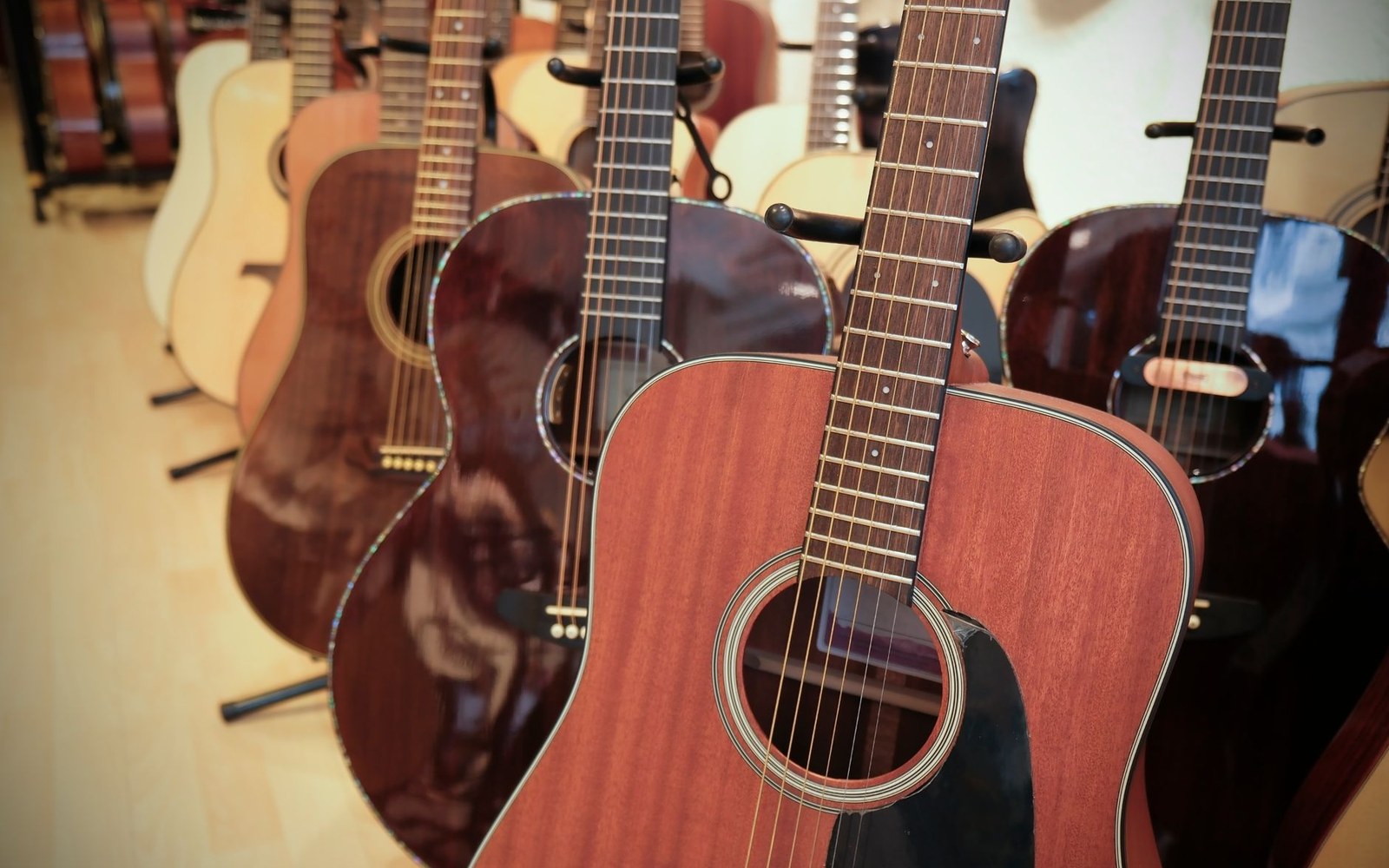
Over-humidification pushes the top upward. Back and sides can't expand equally in all directions inside a bound body, so the top belly — the area behind the bridge — rises. Action climbs with it. Left long enough, the bridge may begin to peel at its rear edge.
The 45–55% relative humidity range cited across the industry — and by conservation bodies including the Library of Congress for wooden artifacts — reflects the equilibrium moisture content at which most temperate tonewoods are dimensionally stable. Taylor Guitars, Collings, and major violin makers all publish the same corridor; it was not invented by a humidifier manufacturer but arrived at through wood-science literature on equilibrium moisture content in timber.
For the technician, the practical consequence is straightforward: a crack presenting for repair that traces to chronic low humidity will re-open unless the owner's storage conditions change. The repair treats the symptom; the climate is the condition.