
What the Rule Changed — and What It Didn't Fix
The EU's Restriction of Hazardous Substances Directive, which took effect in July 2006, banned lead from new electronic equipment sold into European markets. For manufacturers, the transition was costly but manageable — lead-free SAC alloys (tin-silver-copper) became standard. For the repair bench, it introduced a permanent two-solder problem that has not gone away.
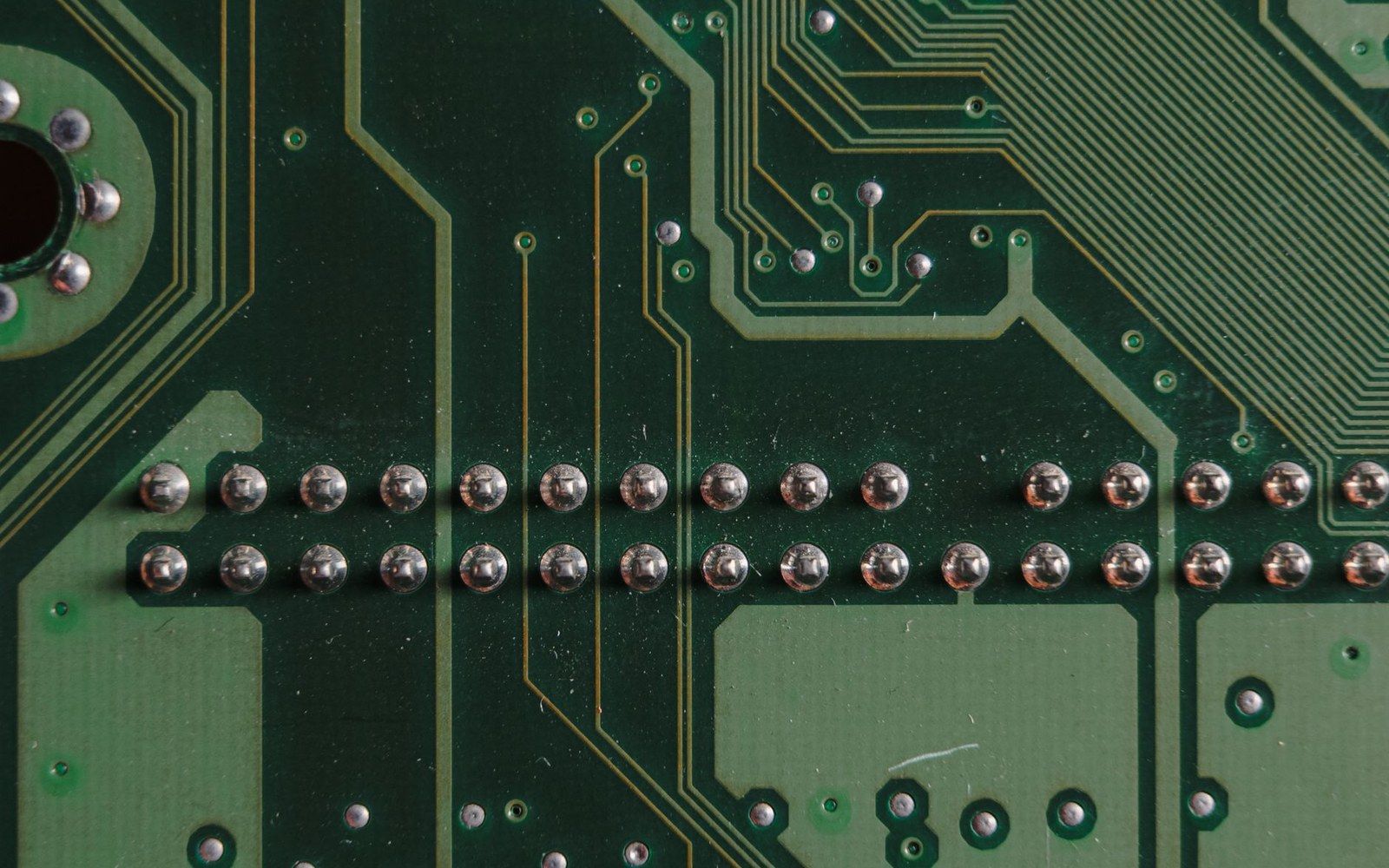
The core mismatch is thermal. Traditional tin-lead (Sn63/Pb37) eutectic solder melts at 183°C. The dominant SAC305 alloy melts at around 217–220°C. That gap is manageable in a controlled reflow oven, but on a service bench working with a hand iron it means longer dwell times, more thermal stress on components, and a harder joint to inspect visually — SAC joints are characteristically dull and grainy where tin-lead reads bright and smooth. A technician reworking a post-2006 board who doesn't know which alloy is already on the pad is guessing, and wrong guesses crack pads.

The tin-whisker question is the longer-term liability. High-tin alloys grow microscopic metallic filaments from their surface over time — a phenomenon documented by NASA's Goddard Space Flight Center as a known failure mode in tin-plated electronics. In dense audio circuitry — the 1U converters and small-format preamps that pack components into tight PCB real estate — whisker-driven shorts can present as intermittent noise floors or partial channel failures, symptoms that look first like a failed op-amp or a bad capacitor.
The incompatibility cuts both ways. Flowing fresh tin-lead onto a SAC joint causes differential contraction as the alloy cools — a known source of cold joints in rework. The repair trade has largely settled on using SAC305 throughout on post-2006 boards for consistency, while keeping 60/40 on the bench for vintage gear. Some shops stock low-silver SAC alloys such as SAC0307 specifically for rework, where the lower silver content cuts cost without much change to the process temperature. None of these workarounds eliminate the problem; they manage it.
RoHS exemptions have always existed for certain applications — Annex III of the directive lists specific uses where lead remains permitted — but those exemptions apply to manufacture, not to the universal repair of goods that cross RoHS territory. A vintage Neve 1073 rebuilt with RoHS-compliant parts for EU resale sits in a grey zone that the directive's drafters plainly never anticipated.
The directive changed what solders are stocked, what temperatures are dialled in, and what a technician has to know before touching a board. That knowledge gap — between a tech trained on 60/40 and a post-2006 service job — is where audio hardware still pays the cost.