The Show That Shrank in Plain Sight
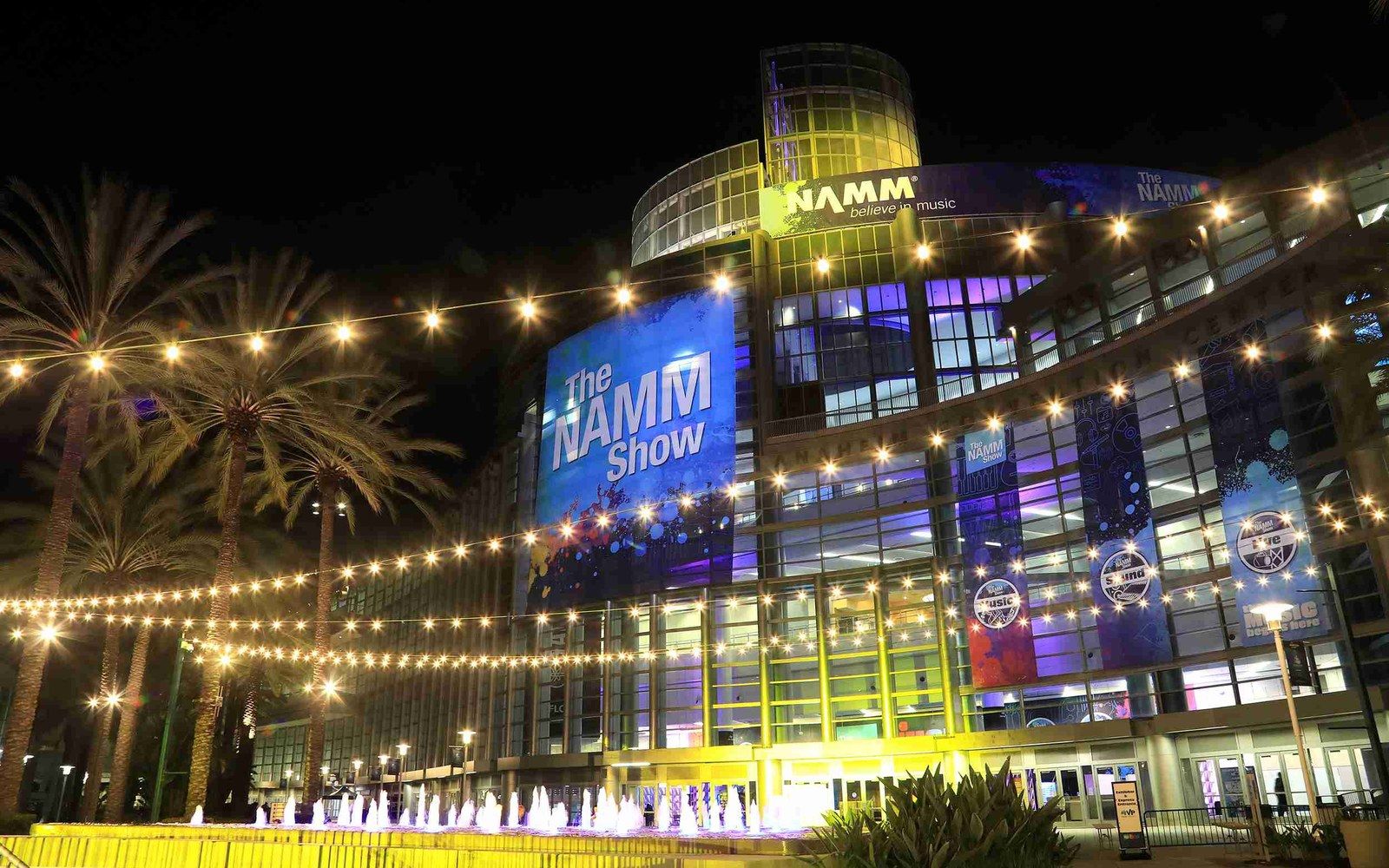
The NAMM Show in Anaheim, California once filled the Anaheim Convention Center with roughly 1,800 exhibitors and drew upward of 115,000 registered attendees across its January run. By 2024, NAMM's own published figures pointed to a leaner event: the 2021 show was cancelled outright, 2022 returned as a scaled summer edition, and the 2023 and 2024 gatherings, while functional, carried visibly contracted floor footprints and an exhibitor list that several major manufacturers had quietly left.
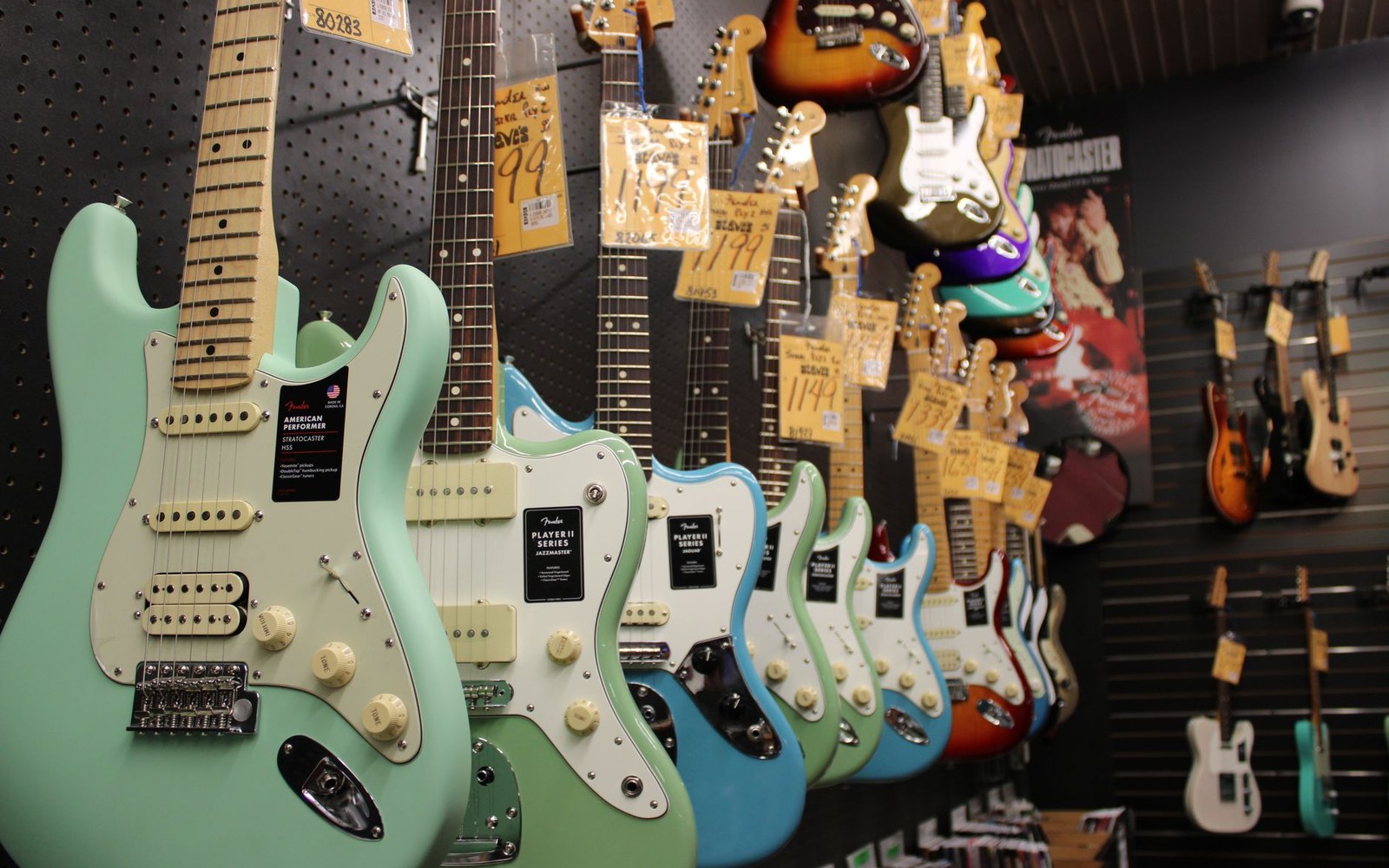
Gibson, Fender, and Taylor Guitars pulled back from large standalone booths years before the pandemic made the retreat easy to explain. Roland and Shure maintained presences but reconfigured from demonstration halls to smaller meeting-room formats. The spectacle floor — where a new instrument or a new interface once landed in front of thousands of buyers, press, and working musicians simultaneously — gave ground to the product video, the YouTube premiere, and the direct email to Sweetwater and Thomann buyers.
The economics are not subtle. A significant booth at NAMM — floor space, build, freight, staffing, travel — runs into six figures for a mid-sized manufacturer before a single conversation happens. A well-produced launch video costs a fraction of that and reaches a global audience within hours. Andertons in Guildford and Sweetwater in Fort Wayne now command audiences large enough that a demo partnership substitutes, credibly, for a convention appearance.
What the floor does that a video cannot is harder to quantify but real: the buyer-seller conversation with no camera running, the repair technician who handles a prototype and reports back, the distributor meeting that closes because two people are in the same room. NAMM at scale was a compression of the entire instrument supply chain into four days. The compressed version still exists. It just covers less ground.