From Copper to CAT6
Audinate's Dante protocol has been running through live-sound infrastructure longer than most engineers at the console realise. What began as a broadcast and installation standard — rack-mount stage boxes talking to FOH over standard CAT6 Ethernet — became touring reality once manufacturers including Yamaha, DiGiCo, Allen & Heath, and Shure embedded Dante licensing into their networked hardware. Audinate's own published figures track over 4,000 Dante-enabled products from more than 600 manufacturers as of recent investor presentations; that catalogue breadth is the core reason the rider specification shifted.
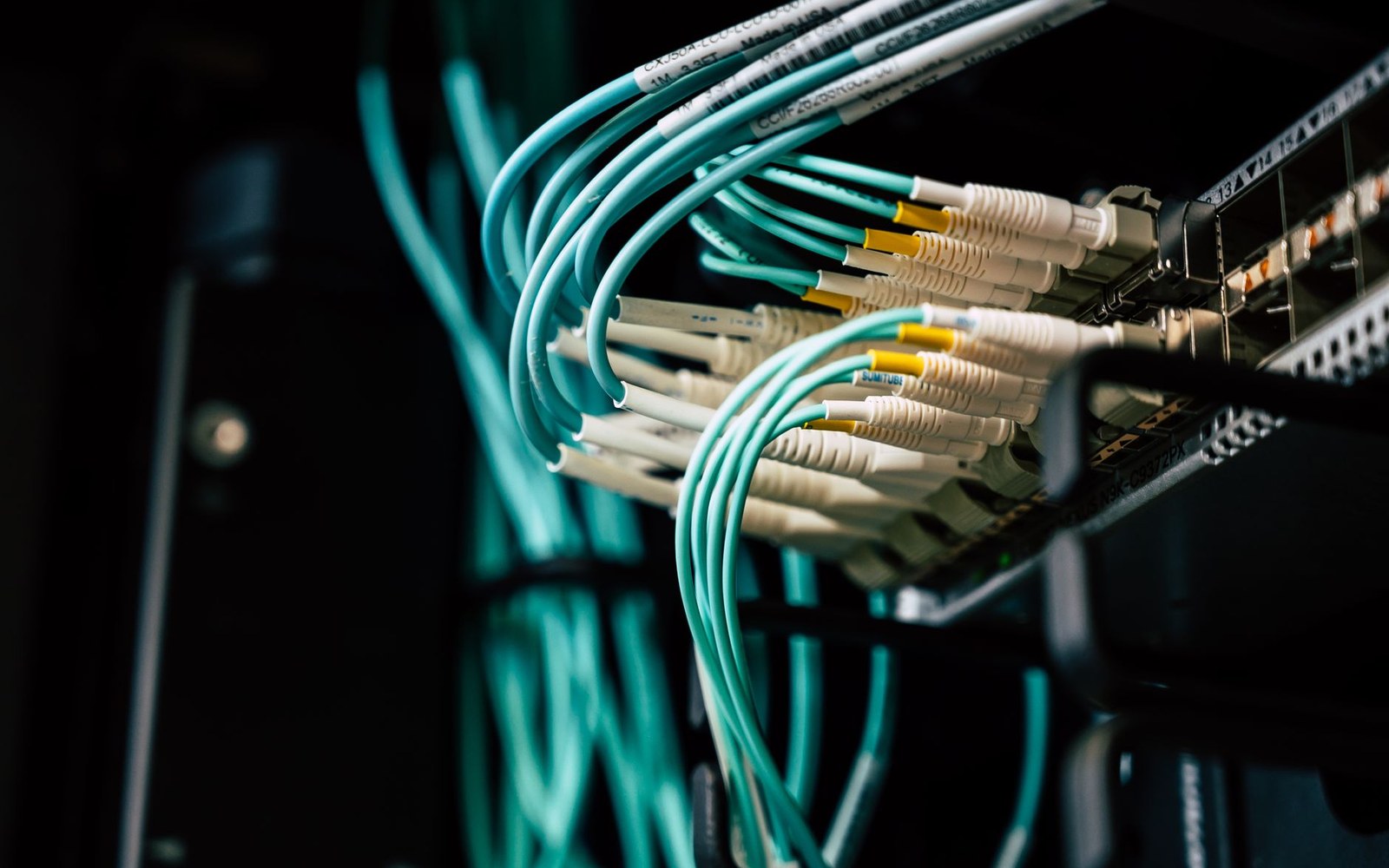
The practical argument is straightforward. A single CAT6 run replaces a 50-metre multicore that weighs enough to require its own case and its own carry. Latency on a Dante network running at 1 Gigabit sits at roughly one millisecond — tight enough for any live application — and the protocol carries redundant network paths natively, so a single cable failure does not drop audio. For touring productions running 64 or 128 channels between stage box and mix position, the logistics reduction alone justifies the transition.
AVB, Milan, and the Standards Contest
Dante does not own the field unchallenged. IEEE AVB — Audio Video Bridging — is an open standard ratified by the IEEE and forms the technical foundation for Milan, the more tightly specified profile pushed by the Pro Audio working group including Meyer Sound, L-Acoustics, and Focusrite. Milan's defining claim over Dante is interoperability: any Milan-certified device from any manufacturer should connect and exchange audio without additional configuration. Dante's interoperability, while broad, still depends on manufacturer licensing agreements and Audinate's proprietary stack.
In practice, the live-sound market currently runs Dante-heavy because the installed base arrived first and because cross-manufacturer touring rigs — house consoles, guest engineers, visiting broadcast trucks — more often share Dante infrastructure than Milan. Milan's strongest footing is in installed fixed venues and large-format speaker system integration. The contest is not settled; both coexist on major stages, and some productions run both networks independently.
What the analogue multicore era's engineers called "the snake" is now a managed network switch in a rack — running software, carrying firmware, and occasionally needing a reboot. That shift in the trade's mental model is as significant as the cable change itself.