Two Warehouses, One Market
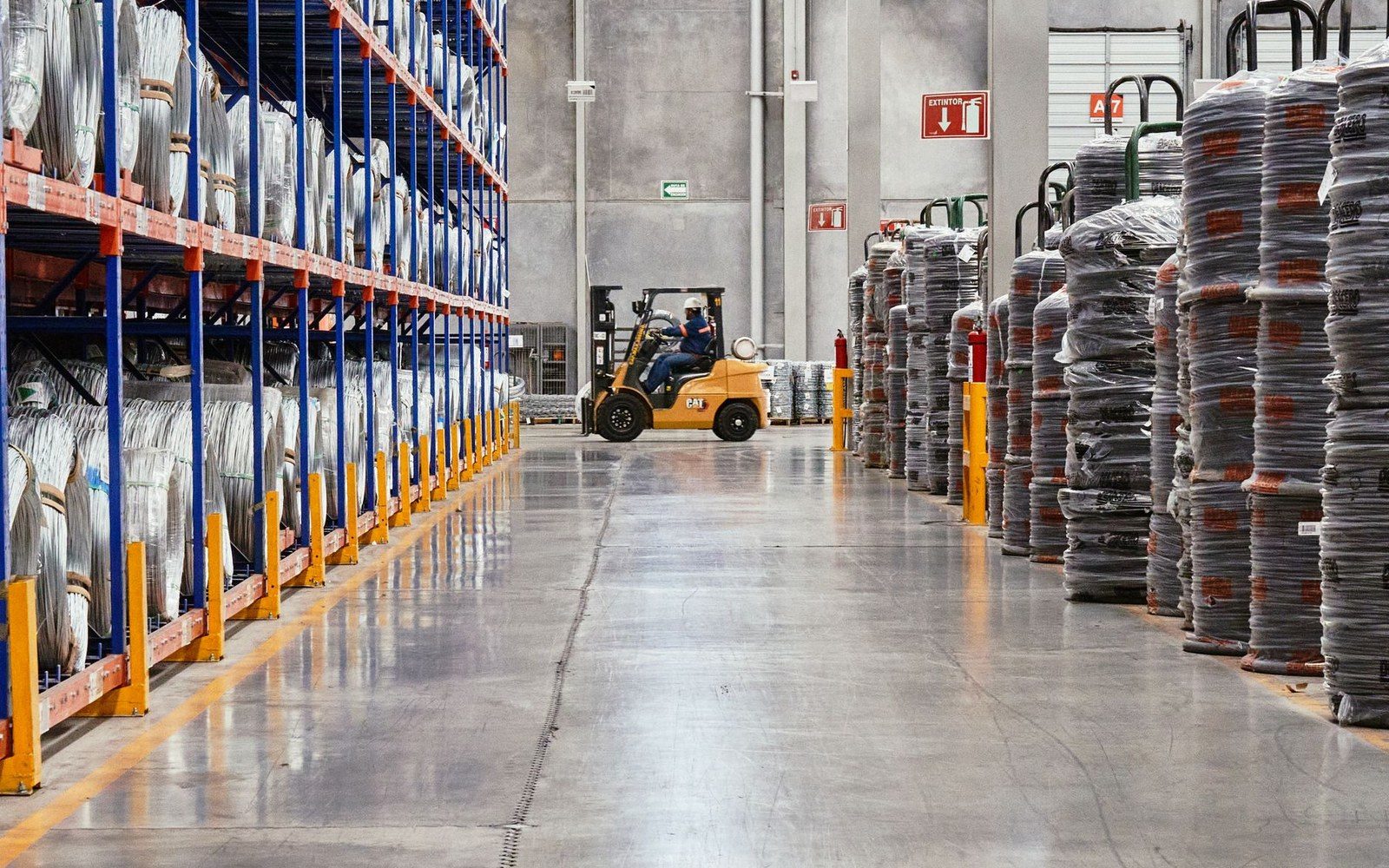
Sweetwater Sound operates from a campus in Fort Wayne, Indiana that covers more than 500,000 square feet of warehouse and office space. Thomann GmbH — founded in 1954 and still headquartered in Treppendorf, Germany, a village of roughly 1,500 people — runs a logistics centre that processes tens of thousands of orders daily. The scale of both organisations places them in a category their competitors cannot realistically enter.
Their models diverge sharply. Sweetwater assigns each customer a named sales engineer: a working musician with product knowledge who manages the account relationship over years, makes follow-up calls, and sends handwritten notes with shipments. That friction-absorbing service layer commands a price premium the company has historically sustained. Thomann runs the opposite philosophy — lowest catalogued price, deepest SKU count, and a returns process efficient enough to remove risk from the transaction. Where Sweetwater's sales engineer closes the deal conversationally, Thomann closes it with margin and convenience.
Both strategies work. Sweetwater's annual revenue exceeded two billion dollars in recent years, making it the largest music retailer in the United States by most measures. Thomann is broadly regarded as the largest music retailer in Europe and claims one of the largest instrument catalogues of any single retailer globally. The combined footprint of the two companies exerts a gravitational pull on the entire trade.
What It Costs the Floor
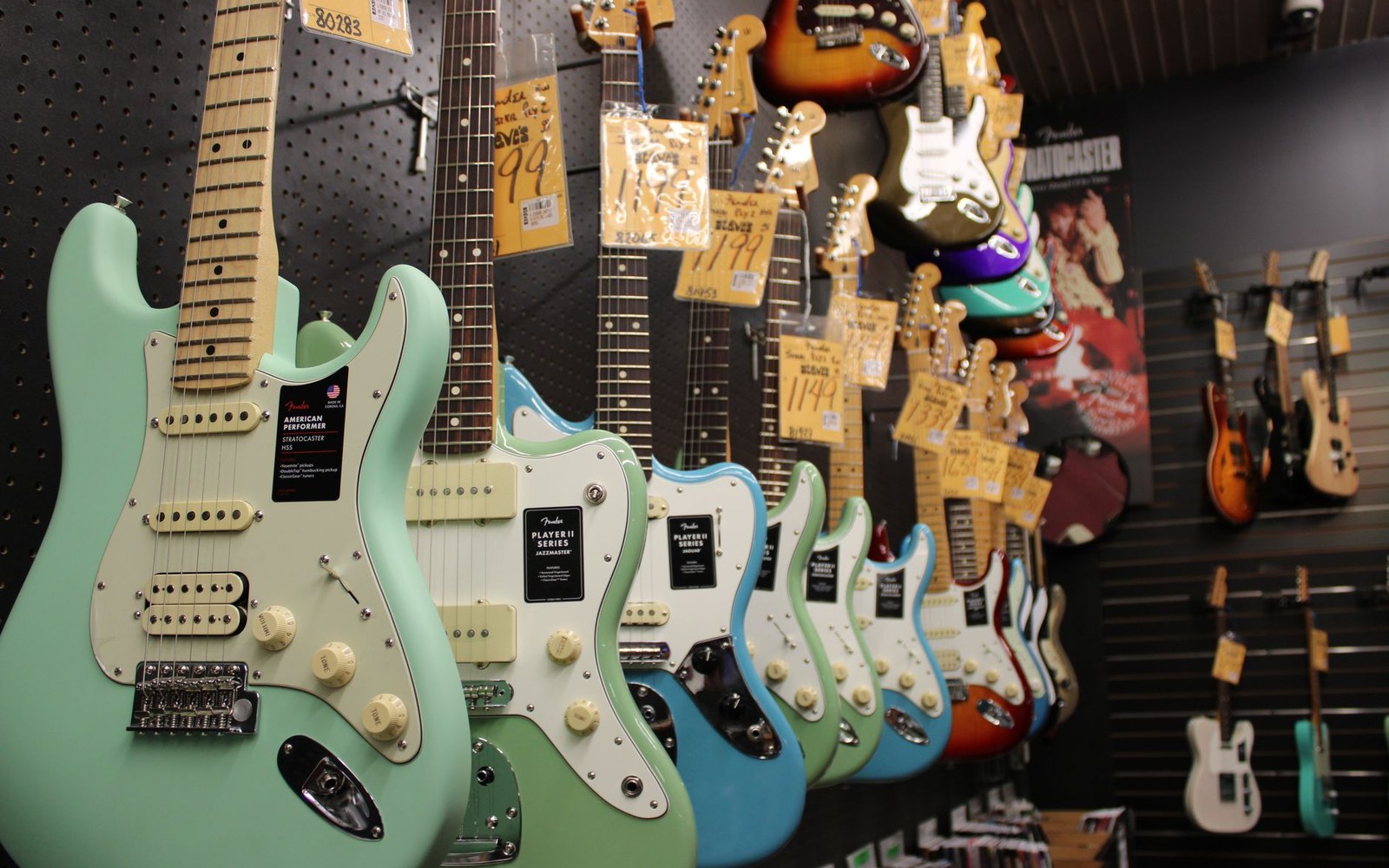
Independent dealers absorbed the consequences across two decades. Brick-and-mortar retailers carrying the same brands — Fender, Shure, Focusrite, Roland — could not price-match either channel without erasing their margin. Manufacturers responded by tightening MAP (Minimum Advertised Price) policies and, selectively, restricting which SKUs the high-volume channels could list. Neither tactic restored the structural advantage that physical retail once held.
The NAMM Show floor reflected the attrition: smaller dealer representation, fewer regional chains making the trip to Anaheim, California. What had been a showcase for the independent dealer network became increasingly a B2B event for the survivors. Where local stores retained ground was in used inventory, repair, and lessons — services neither Sweetwater nor Thomann could replace from Fort Wayne or Treppendorf. That remaining space is real but narrow, and the two volume channels have not stopped expanding.