What the Fee Buys
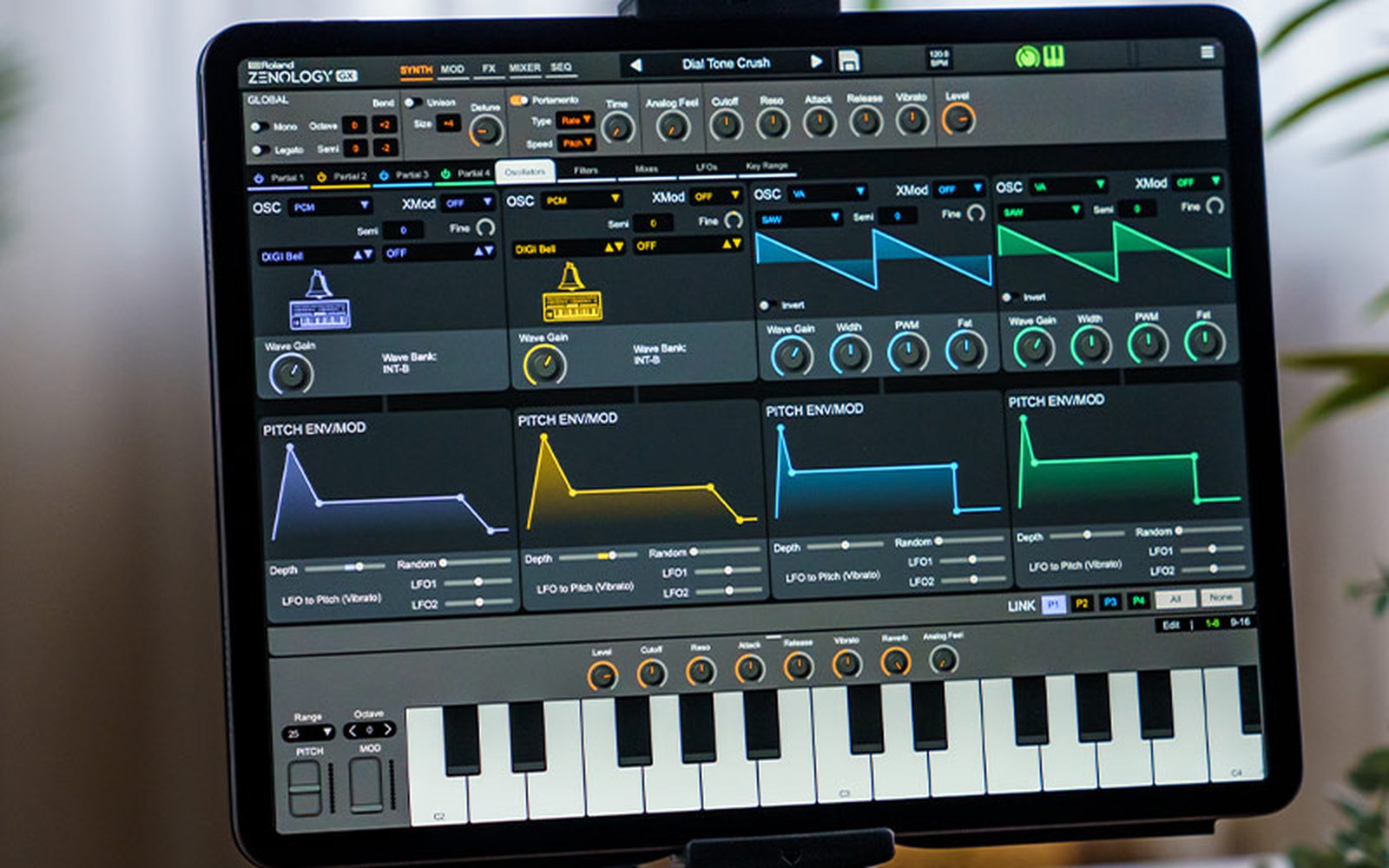
Roland Cloud sells monthly and annual subscriptions to software versions of instruments the company built decades ago: the TR-808 (1980), the Jupiter-8 (1981), the SH-101 (1982), among others. The pitch is straightforward — a working recreation of hardware that now sells for thousands on the used market, available for a recurring fee. Roland calls these Legendary instruments within the platform, and the modelling is built on the company's Analog Circuit Behavior technology, which attempts to simulate component-level behaviour rather than sample-and-playback.
What the fee does not buy is a licence. Stop paying and the instrument stops opening. There is no perpetual tier that converts a subscription into outright ownership for most titles on the service. That is the structural distinction the model rests on, and it has direct implications for studio operators who build sessions around specific instruments and for archivists who treat software as a preservation medium.
Hardware Originals and the Subscription Floor
The Cloud's existence has done nothing to suppress hardware prices. A Jupiter-8 in working condition trades in the multiple-thousands range on Reverb; the TR-808 market remains governed by scarcity and cultural weight that no software recreation dissolves. If anything, the subscription service functions as a price-discovery mechanism — it establishes what people will pay for access, which turns out to be a figure far below what collectors pay for possession.
For repair technicians and luthiers, the subscription model is largely irrelevant. For studio operators running hybrid sessions, it is a genuine licensing risk: a DAW template built around a Cloud instrument is dependent on Roland maintaining the service and the user maintaining the subscription. Neither is guaranteed by contract in the way a perpetual software licence or a piece of hardware is. The right-to-repair argument that reaches audio hardware touches a different dimension of the same underlying question — what does a user actually own when they pay for a device or a platform?
Roland is not alone. Native Instruments, Arturia, and others operate comparable access-based catalogues. Roland Cloud is simply the most explicit case of a legacy hardware company reissuing its analogue back catalogue in subscription form — and the clearest demonstration that the model sells access to history, not history itself.