The Rise and the Reset
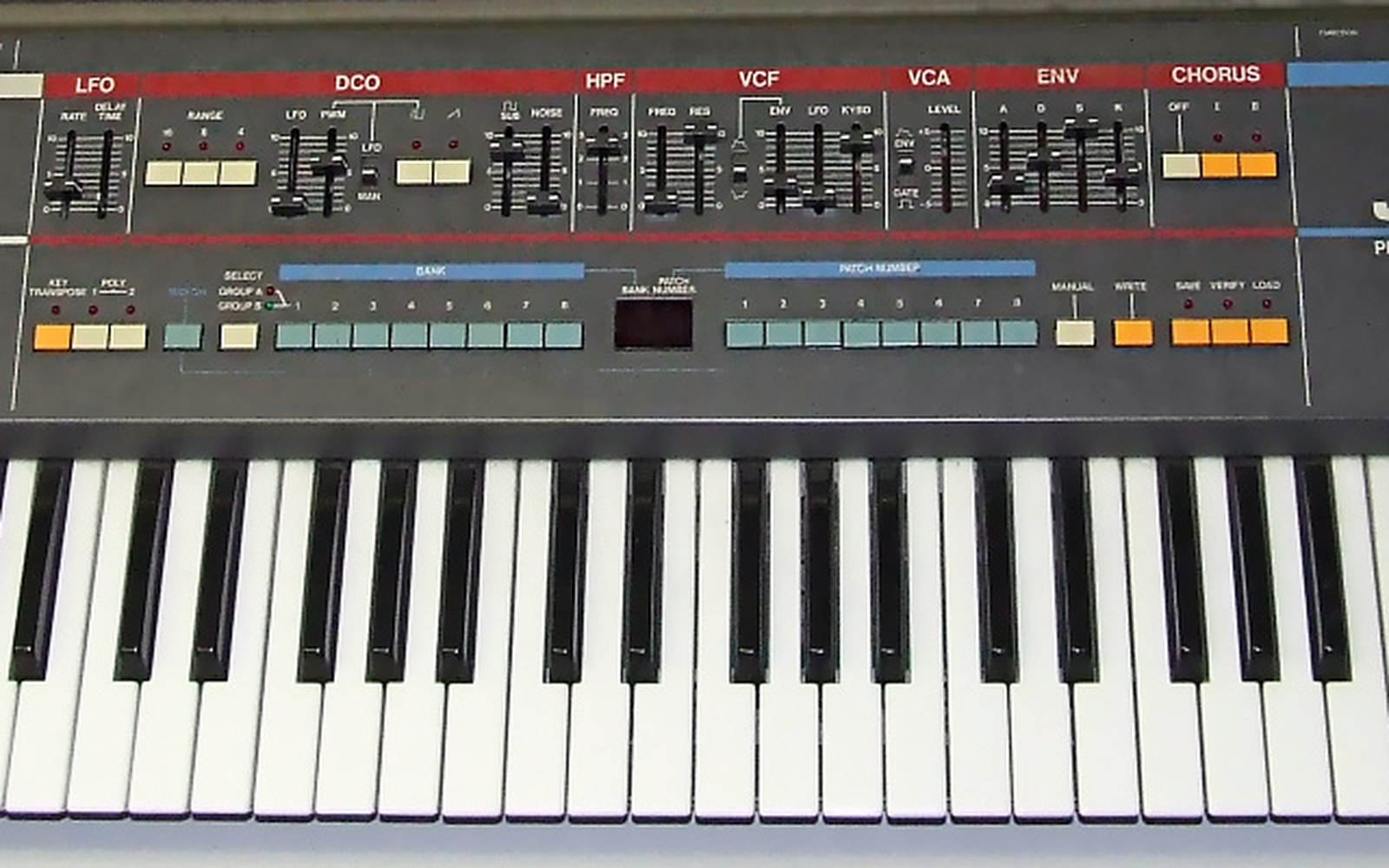
Between 2020 and 2022, the used synthesiser market ran hot in a way that hadn't been seen since the late 1990s analogue revival. Roland Juno-106 units that cleared around $500 before the pandemic were regularly selling above $1,000 on Reverb by mid-2021. Oberheim OB-X and OB-Xa prices climbed into five figures for clean examples. Korg Poly-6 and Poly-61 listings attracted bidding that would have looked absurd in 2018. The drivers were legible: home studios multiplied, Reverb saw record transaction volume, and supply of vintage hardware is, by definition, fixed.
The correction began in 2022 and accelerated into 2023. Sequential — revived under Dave Smith and now operating as an independent unit within Focusrite's group — kept releasing instruments that satisfied demand formerly aimed at originals. The Behringer clone programme put functional approximations of the Minimoog, Roland TB-303, and other targets into the market at prices that undercut used originals by a wide margin. Oberheim's own reissued OB-X8, released in 2022, gave buyers an authenticated path to that sound without the maintenance liability of a forty-year-old voice card. Roland's Juno-X arrived the same year, targeting the same nostalgia with modern reliability.
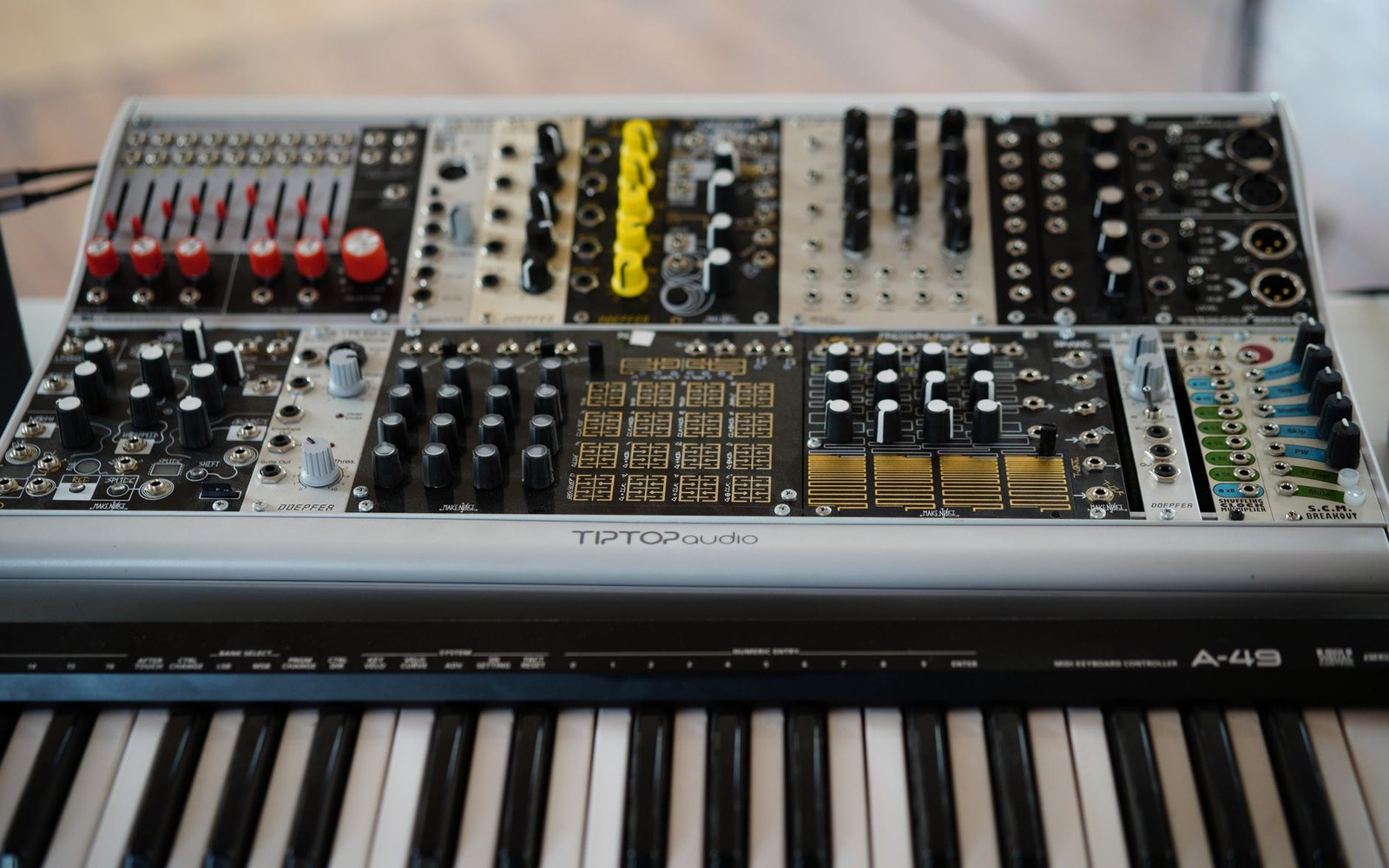
By late 2023, Reverb's published sold-listings data showed Juno-106 prices settling back toward $700–$800 on average — still above pre-pandemic levels, but meaningfully off the peak. OB-Xa prices fell further, proportionally, once the OB-X8 landed. The instruments most resistant to correction were those with no credible modern substitute: well-maintained Buchla systems, Serge panels, and certain Eurorack-adjacent rarities held value because no mass-market clone addresses that end of the market.
The pattern is consistent with previous cycles. Vintage prices spike when demand rises faster than the supply of reissues; reissues and clones arrive; the spread compresses. What remains elevated after a correction is usually what cannot be replicated at scale.