The Clone Catalogue and the Law Behind It
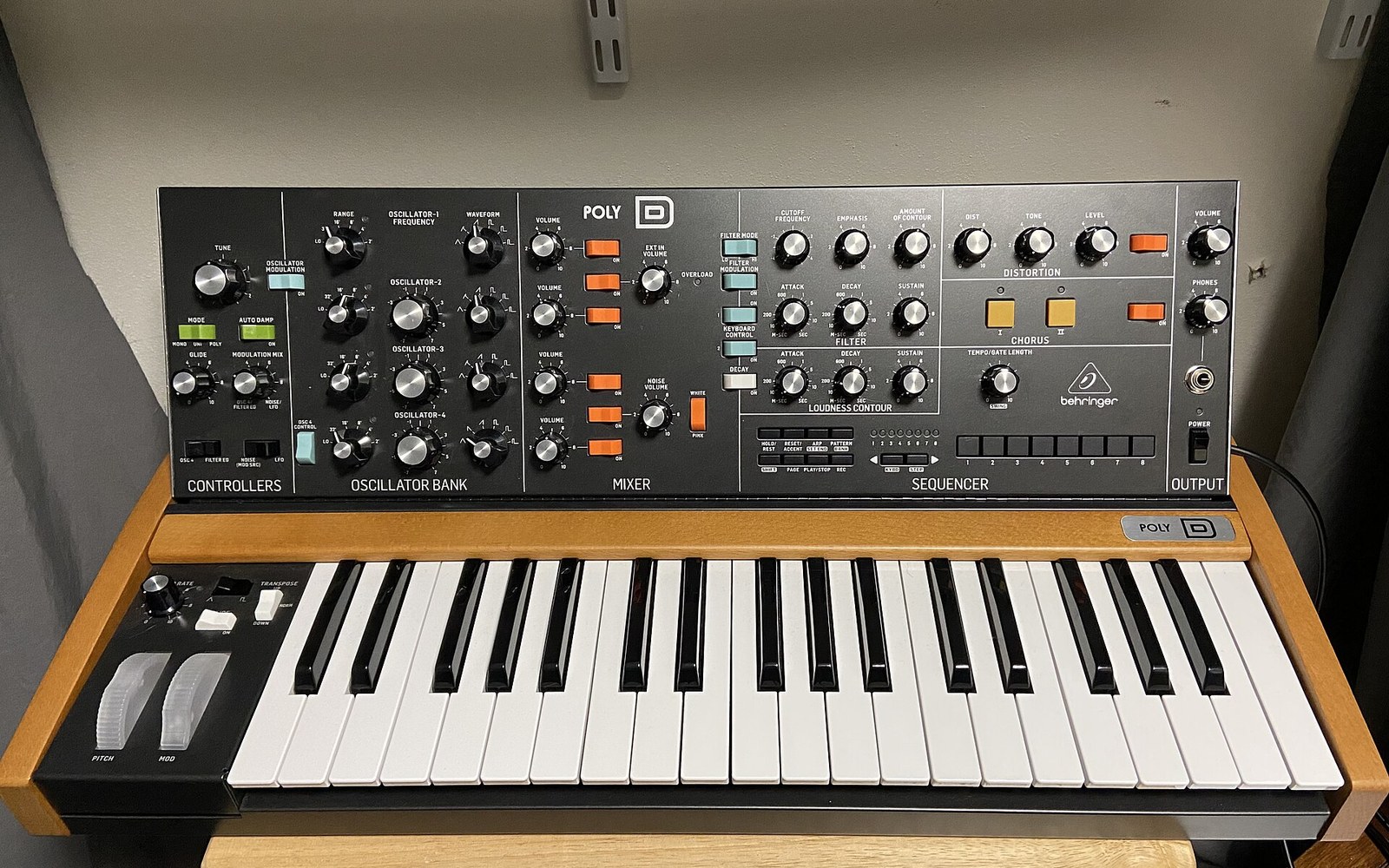
The instruments are real and they work. The TD-3, a replica of Roland's TB-303 bass synthesiser, ships for under $150. The RD-808, a hardware clone of the Roland TR-808, sits well below the used-market price for an original. The UB-Xa reproduces the Oberheim OB-Xa's voice architecture at a fraction of what surviving originals command. The Model D replicates the Minimoog Model D down to its panel layout and discrete transistor ladder filter. Each sells in volume Behringer's competitors cannot match.
Circuit topology in analogue hardware does not qualify for copyright protection under US law — a principle rooted in the idea that functional designs are covered by patent, not copyright, and patents on these instruments expired decades ago. Behringer does not clone the trademarks: the TD-3 is not sold as a TB-303, and the Model D carries no Moog wordmark. Panel labelling is redesigned, PCB layouts are original, and the resulting products occupy territory where infringement claims have no purchase. Music Tribe has acknowledged disputes over specific designs — the company faced community pressure over the UB-Xa's panel aesthetics mirroring Oberheim's trade dress — and revised certain details in response. But no clone has been stopped by a court.
The Counter-Argument, Stated Precisely
The legal position and the ethical argument are not the same argument. Bob Moog founded Moog Music in the 1950s and 1960s, and the company he built was, by the time Behringer launched the Model D, an employee-owned business in Asheville, North Carolina, producing instruments at higher cost to smaller volume. Moog Music issued a public statement criticising the clone, citing the damage done to a company whose workforce made instruments by hand in a single facility. The statement did not claim illegality — it claimed harm.
Dave Smith, founder of Sequential and the designer of the Prophet-5, made his position clear in trade interviews before his death in 2022: that cloning the work of living designers, or of companies still producing the original instruments, was ethically distinct from reproducing something genuinely out of production and unavailable. Smith's own Sequential continued to produce Prophet-series instruments, and the Prophet-5 carried a price tag the Model D's buyers would not consider comparable. The argument from boutique and mid-scale manufacturers is structural: Behringer's landed cost from manufacturing at scale in China undercuts any Western-labour workshop before the design conversation begins.
Behringer and Music Tribe founder Uli Behringer has responded — in forum posts and interviews — that democratising access to classic synthesis is a legitimate goal, that the originals are out of reach for most players, and that expanded availability builds the market rather than cannibalising it. Whether that holds when the original manufacturer is still active is where the argument stalls.
- TD-3Behringer clone of the Roland TB-303 bass synthesiser
- RD-808clone of the Roland TR-808 drum machine
- UB-Xaclone of the Oberheim OB-Xa polysynth
- Model Dclone of the Minimoog Model D; ladder filter, discrete transistor circuit
What the Market Returned
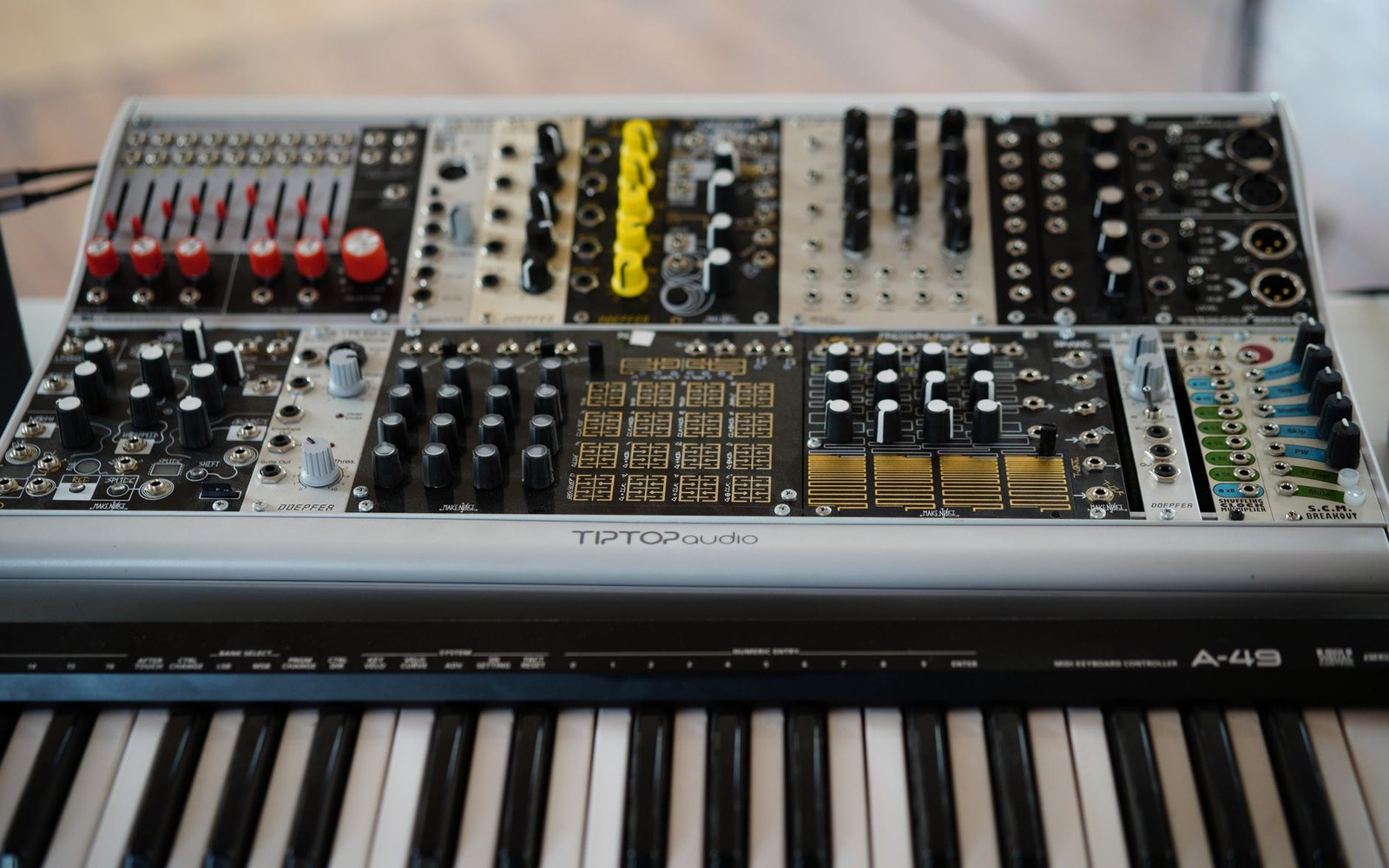
The clones sell. That is the clearest data point available. The TD-3 moved in quantities that placed Behringer among the top-reported synthesiser units on volume trackers within months of launch. The Eurorack-format modules Music Tribe released alongside the standalone clones extended the reach further, placing ladder-filter voice cards inside the Eurorack module market at prices Doepfer Musikelektronik and boutique makers could not approach.
The original manufacturers adapted unevenly. Moog Music shifted production priorities and eventually announced a restructuring that separated it from employee ownership. Sequential was acquired by Focusrite in 2021, giving the Prophet line a distribution infrastructure that smaller independents cannot replicate. Neither move came as a direct response to Behringer — both companies cite multiple pressures — but the competitive environment that includes sub-$200 hardware clones of $3,000 instruments is part of that environment regardless.
The argument Behringer's programme surfaces — where legality ends and obligation begins in a trade built on shared circuit heritage — does not resolve. It just recurs with each new announcement.